

Automotive Die Cutting Solution
At ODT, we provide high-quality die-cutting solutions for the automotive industry, including adhesive tapes, noise reduction components, and interior cushioning parts.
Our advanced equipment ensures precision, reliability, and high-volume production to meet your needs.
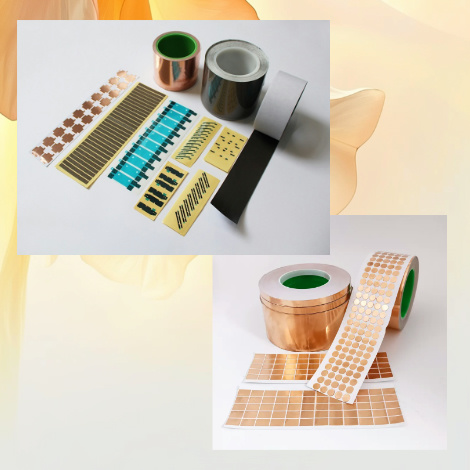
Die Cutting Solutions for the Automotive Industry
We delivers advanced die-cutting solutions for the automotive sector, focusing on reducing BSR (buzz, squeak, and rattle) and improving NVH (noise, vibration, and harshness). Our solutions also support lightweight designs for better fuel efficiency and incorporate heat-resistant materials for optimal thermal management.
With ISO 9001, ISO 14001, and IATF 16949 certifications, we guarantee high-quality, precision components that meet OEM standards, from rapid prototypes to final production.
Key Automotive Technology and System Categories
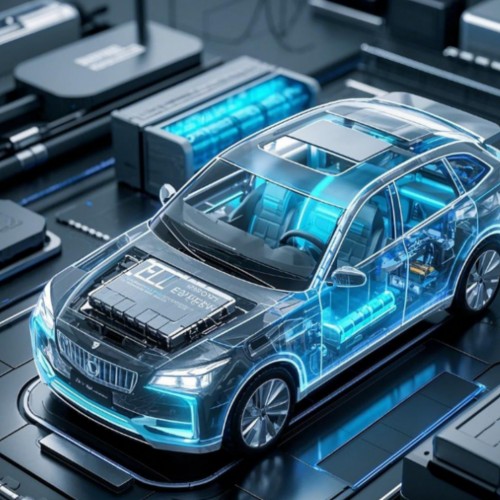
Innovative solutions for electric vehicles and battery systems, driving sustainability and performance in the automotive sector.

Advanced digital displays for intuitive, high-quality driver interfaces, enhancing both functionality and user experience.

Advanced Driver Assistance Systems focus on improving safety with technologies like lane-keeping, collision avoidance.

Sophisticated automotive interiors designed for comfort, style, and functionality, offering enhanced user experiences and ergonomic designs.
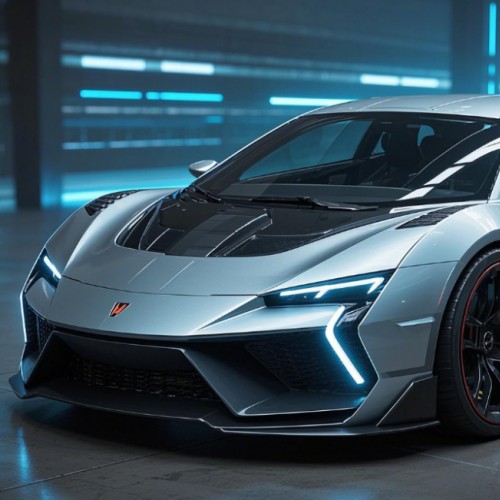
Stylish and durable exterior components that improve aerodynamics, safety, performance, efficiency, functionality, and aesthetics of modern vehicles

High-performance automotive lighting solutions, providing improved visibility, energy efficiency, and design innovation for modern vehicles.
Applications of Materials in Automotive
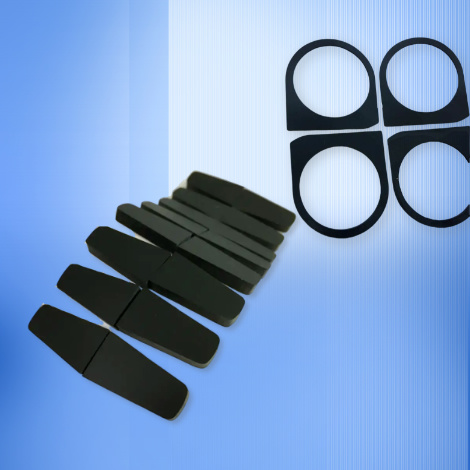
Lightweight, durable, and versatile material for automotive insulation and cushioning.
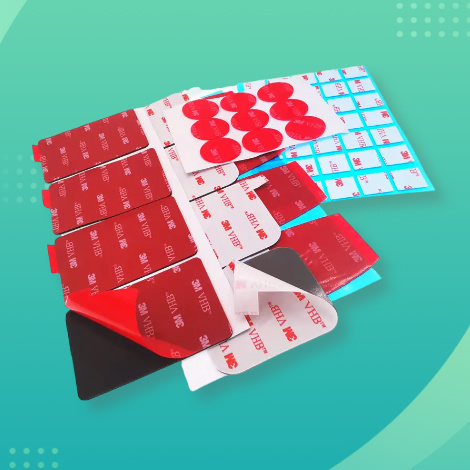
Strong, durable adhesive for automotive bonding, sealing, and assembly applications.
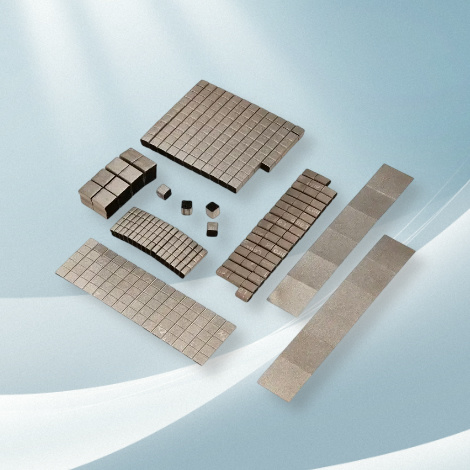
Effective material for reducing electromagnetic interference in automotive electronics.
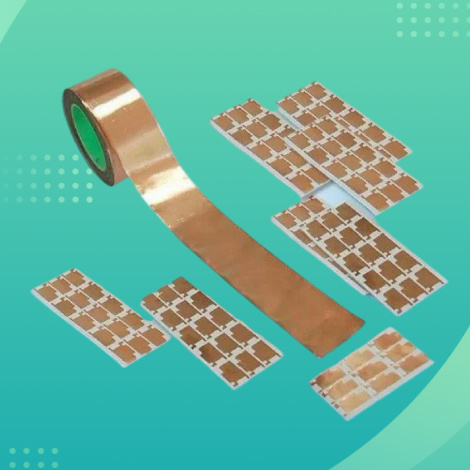
Heat-resistant, durable adhesive tapes for automotive insulation and EMI shielding applications.
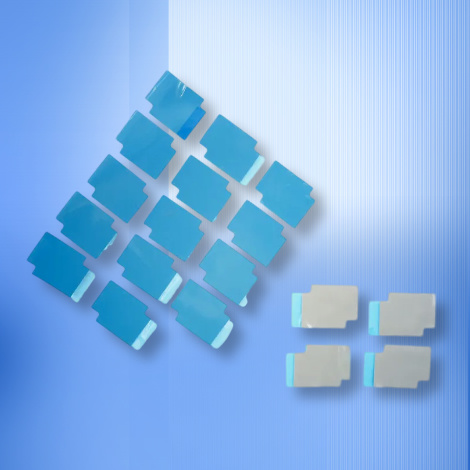
An efficient heat dissipation solution for automotive electronics and components ensuring reliability.
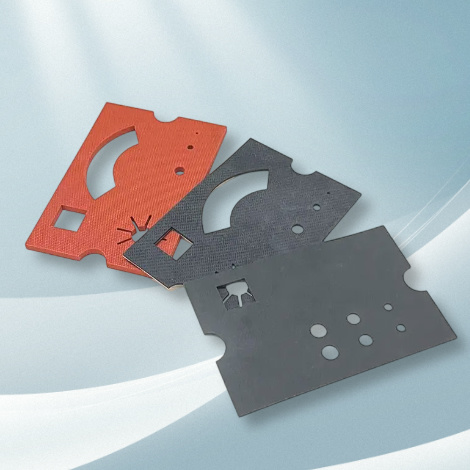
Durable, flexible material for seals, gaskets, and vibration dampening in automotive applications.
Trusted Partners in Automotive Die Cutting
We partner with world-renowned brands to ensure top-quality materials for automotive die-cutting. Our key partners include UPM in paper and forest solutions, 3M in diversified technologies, and DuPont in chemical materials. In electronics and industrial equipment, we work with SONY and POLYONICS. For adhesive tapes and labels, our trusted suppliers are Tesa, LINTEC, and NITTO DENKO. In labels and packaging, we collaborate with FASSON (Avery Dennison). These strong partnerships enable us to deliver innovative and reliable solutions tailored to your needs.









Precision Die-Cutting for Automotive Quality & Efficiency
20+ years of experience delivering high-precision solutions for automotive parts.
3 million parts daily with on-time delivery and strict quality control.
Advanced testing ensures zero defects and high durability.
Engineers provide tailored solutions and full technical support.
Compliant with ISO and IATF 16949 for reliable automotive parts.
Custom die-cutting services for small and large production runs.
Our Precision Die-Cutting Solutions for Automotive
Our Die-Cutting Equipment

In the automotive industry, precision die-cut components play a vital role in sealing, insulation, vibration damping, and surface protection. Our Class 1000 cleanroom production environment ensures that even the most delicate automotive parts—such as sensor seals, display screen protectors, and EMI/RFI shielding elements—are produced with the highest level of accuracy and cleanliness.

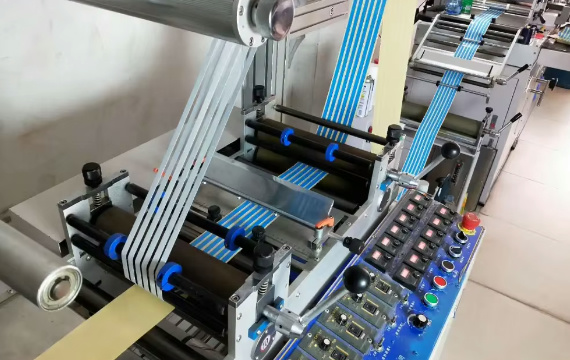
Our automatic roll-to-roll lamination machines provide precise and uniform adhesive application on materials such as foams, rubber, PET films, and specialty composites. This capability is essential for ensuring consistent bonding strength in parts like weather seals, gaskets, and sound-damping layers, which must withstand extreme temperature fluctuations and mechanical stress.

We utilize high-speed die-cutting machines capable of processing both simple and complex shapes with tolerances as tight as ±0.01mm. Paired with automated waste removal systems, we achieve high-volume output without compromising quality—ideal for mass automotive production where consistency and repeatability are critical.
Our Die-Cutting Quality Control

Dimensional accuracy is verified using 2.5D measuring instruments, ensuring each die-cut part fits precisely into its intended application—whether it’s a dashboard component, battery insulation pad, or under-hood gasket.

We maintain cleanroom environmental standards by using dust particle counters, which is particularly important for optical films, display covers, and adhesive laminates used in interior assemblies. Microscopic inspection with binocular and CCD microscopes detects any defects in material surfaces, ensuring flawless performance in demanding automotive environments.

Mechanical and performance testing includes peel strength tests for adhesive-backed parts, thickness measurements for insulation layers, thermal cycling simulations in constant temperature and humidity chambers, and electrical resistance tests for conductive components. These tests guarantee durability and performance in real-world automotive conditions.
Our Inspection Team

Our dedicated inspection team operates within the Class 1000 cleanroom to perform final product verification. They check all dimensional, visual, and performance parameters, ensuring every automotive die-cut component meets customer specifications before shipment.
Our Mold Management

Our in-house mold workshop designs and fabricates custom cutting dies for automotive parts, using CAD software and CNC or laser cutting systems. Rapid mold modification allows us to adapt to evolving vehicle designs, and regular maintenance ensures stable, high-quality production over extended manufacturing runs.
Our Product Cases

One example is the production of dust-proof mesh and gasket rings for automotive speakers and microphone systems. These components maintain acoustic clarity while protecting against dust and debris intrusion, especially in infotainment systems.

Another case involves foam gaskets for camera modules used in advanced driver-assistance systems (ADAS). These precision-cut seals block dust and prevent light leakage, supporting accurate image capture for safety-critical functions.

A third example is PET and PC protective films for in-vehicle displays, battery insulation, and sensor protection. These films undergo exact die-cutting and stringent inspection, ensuring long-term reliability and resistance to environmental stress.
Contact us to customize your Automotive Die Cutting Solution for superior performance, durability, and precision in your vehicle applications!

Automotive Die Cutting Is Widely Used In Many Interior Parts Of A Car. Here Are Some Common Applications:
- Soft Materials Are Used On Door Panels To Make Them Look Good And Feel Comfortable.
- Seat Covers Are Made From Die-Cut Materials Like Leather, Fabric, Or Synthetic Materials For Comfort And Support.
- Dashboards Are Covered With Soft Or Hard Materials To Improve Appearance And Function.
- The Roof Lining Uses Materials That Offer Good Soundproofing And Heat Insulation.
- Carpets And Mats Provide A Comfortable Feel For The Feet And Help With Noise Reduction.
- Sun Visors And Vanity Mirrors Often Have Die-Cut Parts For Decorative Edging.
- Storage Compartments And Cup Holders Use Soft Materials To Reduce Noise From Items Moving Around.
- Armrests On Doors And Centre Consoles Are Covered With Soft, Comfortable Materials.
- Air Vents Have Die-Cut Materials For Decorative Frames And Blades.
- The Centre Console Panel Uses Die-Cut Materials For Decoration And Button Backlighting.
- Door Handles And Window Controls Have Die-Cut Components For A Better Feel And Appearance.
- Speakers And Navigation Systems Use Die-Cut Materials For Protection And Decoration.
- Seat Belts Have Cushioned Die-Cut Pads And Decorative Elements.
- Interior Lighting Has Decorative Covers Made From Die-Cut Materials.
- Window Frames Are Trimmed With Die-Cut Parts For A Clean Look.
When Choosing The Right Die-Cutting Materials, We Consider Factors Like Durability, Appearance, Comfort, And Cost. At ODT, We Provide High-Quality Die-Cutting Services For Automotive Parts, Helping To Improve Both The Aesthetics And Functionality Of Your Car’s Interior.

Die-Cutting Materials Play A Crucial Role In Soundproofing And Heat Insulation In Cars. Here Are Some Key Applications:
- Foam Is Widely Used For Insulation, Noise Reduction, And Cushioning. Closed-cell Foam Is Water-Resistant And Seals Areas Like Windows And Doors, While Open-cell Foam Helps Reduce Noise Inside The Car.
- Rubber Materials, Like EPDM, Are Used In Seals And Gaskets To Keep Water, Dust, And Air Out, Improving Insulation And Comfort Inside The Car.
- Felt Is Often Used For Its Insulating Properties And Ability To Reduce Noise And Vibration. It Is Commonly Found On The Car Floor, Roof, And Door Panels.
- Nonwoven Fabrics Are Used For Soundproofing And Insulation. These Are Typically Found In Roof Linings, Carpets, And Door Panels, Helping To Cut Down On Noise And Vibration.
- Metal Foils, Like Aluminium, Are Used For Heat Shields, EMI Shielding, And Other Protective Layers. Aluminium Is Lightweight And Reflects Heat, Making It Ideal For Car Insulation.
- Polyurethane Foam Is Lightweight And Mouldable, Often Used In Engine Bay Areas And Under Bonnet Insulation To Reduce Vibration And Noise.
- Bonnet Linings, Made From Baynat® Polyurethane, Replace Traditional Felt, Offering Better Sound Absorption And A Lighter Weight.
- Sealing Gaps And Voids In Key Areas Of The Car Body Helps Change The Path Of Vibration, Reducing Resonance And Improving Ride Comfort.
- These Die-Cutting Materials Help Improve A Car’s NVH (Noise, Vibration, Harshness) Performance, Making The Driving Experience More Comfortable For Everyone.

Automotive Die Cutting Materials Are Essential For Shock Absorption, Insulation, And Component Fixing In Automotive Electronics. Here’s How They Work:
- Foam Tapes Are Used For Sealing And Cushioning Parts, Reducing The Need For Bolts And Screws, While Ensuring Strong Adhesion In Automotive Die Cutting Applications.
- Nonwoven Fabrics Are Perfect For Filtration, Insulation, And Soundproofing. These Die-Cut Materials Are Found In Roof Linings, Carpets, And Door Panels To Minimise Noise And Vibration.
- Metal Foils, Like Aluminium And Copper, Are Commonly Die-Cut To Form Heat Shields And EMI (Electromagnetic Interference) Barriers, Protecting Electronics And Reflecting Heat.
- Damping Foils And Electrical Tapes Are Die-Cut To Provide Electrical Insulation And Shield Electronics From External Interference, Enhancing The Durability Of Automotive Systems.
- Custom-Cut Soundproofing Materials, Made From Foam, Felt, Or Textiles, Are Used Between Parts To Reduce Noise And Vibration, Ensuring A Quieter Ride.
- Protective Cushioning Materials, Such As Roof Sealing Tapes, Safeguard Electronics From Impact And Vibration, While Offering Insulation And Extending The Product’s Lifespan.
- Plastics, With Excellent Insulation And Durability, Can Be Die-Cut For Custom Parts Like Protective Films And Insulation Layers, Vital For Automotive Electronics.
- Hot-Melt Tapes, Die-Cut For Fast Bonding, Are Ideal For Quick Assembly In High-Temperature Automotive Environments.
- These Automotive Die Cutting Materials Ensure That Electronics Perform Reliably In Challenging Conditions, Reducing Noise, Vibration, And Enhancing Safety.

Die-cut materials improve car quality in automotive manufacturing in several ways:
Safety
Die-cut materials enhance car safety by producing seals and gaskets for components like engines and transmissions. These seals prevent leaks, ensuring vehicle safety. Our precision die-cutting ensures reliability and effectiveness.
Comfort
Die-cut materials such as foam and felt improve comfort by providing sound insulation and heat resistance, especially in seats, headrests, and dashboards. Our solutions help create a more comfortable driving experience.
Durability
Die-cut materials like EPDM rubber protect the vehicle from external elements like water and dust. Our die-cutting enhances the durability and longevity of automotive parts.
Heat Insulation
Our die-cut materials, including felt and metal foils, offer heat protection for components near the engine or exhaust, improving vehicle performance and durability.
Energy Efficiency
Lightweight die-cut components reduce the car’s weight, improving fuel economy and extending battery life for electric vehicles. Our solutions support better energy efficiency.
Manufacturing Precision
Our die-cutting technology ensures precise parts that meet automotive industry standards, enhancing production quality and reducing errors.
Waste Reduction
Our precise die-cutting reduces material waste, helping manufacturers save costs and support sustainable production.
Environmental Sustainability
We are committed to eco-friendly die-cutting solutions that reduce waste and support green manufacturing practices.
Adhesive Performance
Our die-cutting enhances adhesive strength, ensuring critical components stay securely in place for improved vehicle performance.

In Automotive Electronics, Die-Cut Materials Ensure Precision And Reliability In Several Ways:
We carefully select materials that can handle tough automotive environments, such as high temperatures and chemicals. For example, plastics are durable, lightweight, and resistant to corrosion, making them ideal for protective films and insulation layers.
The die-cutting process uses specialised tools to cut and shape materials with great accuracy. This allows us to mass-produce parts that meet strict industry standards.
We apply advanced techniques like flatbed, rotary, and laser die-cutting to achieve precise results for automotive components, ensuring they meet the highest requirements.
Quality control is crucial. We perform regular checks, tests, and keep detailed records to ensure that every part performs reliably over time.
Die-cut materials, such as metal foils, offer excellent conductivity and heat resistance. These materials are used in components that need electromagnetic shielding, conductivity, or heat dissipation.
Foams and felts are used to protect sensitive electronics from shock and vibration while also providing insulation, extending the lifespan of components.
Optical films are used for displays and lenses, improving clarity and protecting surfaces from damage.
Protective films are applied to safeguard surfaces from scratches and contamination, maintaining the product’s appearance and function.
Through these methods, die-cut materials ensure that automotive electronics are both precise and reliable, contributing to better performance and safety.