



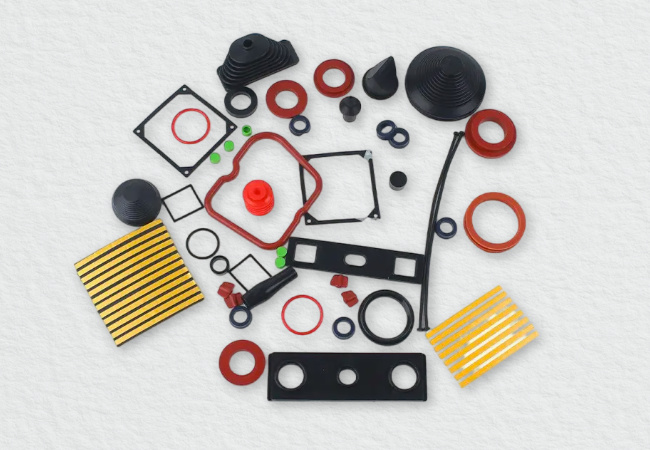
Custom Die Cut Silicone Rubber Gaskets For Your Project
- Custom Die Cut Silicone Rubber Gaskets – Precision-cut to meet your exact requirements.
- High-Quality Silicone Material – Excellent heat resistance, flexibility, and durability.
- Fast Sample Production – Get custom Die Cut Silicone Rubber Gaskets in just 3 days.
- ISO9001 & ISO14001 Certified – Reliable manufacturing with strict quality standards.
- Product Details
- Application Overview
- Material Insights
Die-cut silicone rubber gaskets can handle extreme temperatures from -60°C to 230°C. Their heat resistance makes them ideal for engines, aerospace, and food machinery. Die-cut silicone rubber gaskets stay flexible in both hot and cold conditions.
Silicone gaskets resist chemicals like oils, acids, and solvents without breaking down. This durability makes them perfect for medical, electronics, and industrial equipment. Die-cut silicone rubber gaskets maintain their seal even in harsh chemical environments.
These gaskets are soft yet strong, bouncing back after compression without losing shape. Their flexibility helps prevent leaks in long-term applications. Die-cut silicone rubber gaskets provide reliable sealing with minimal material fatigue.
We have provided die-cutting services for various industries, including automotive, electronics, aerospace, medical devices, food processing, HVAC, and industrial equipment. Here’s why silicone rubber gaskets are a top choice for these fields:
- Automotive Industry
Used in engine seals, gearbox seals, and headlight gaskets, silicone rubber handles high temperatures and resists chemicals, ensuring long-lasting performance. - Electronics Industry
Ideal for sealing smartphone cases, heat dissipation pads, and EMI shielding, silicone rubber offers excellent insulation and fits compact designs. - Aerospace Industry
Perfect for sealing fuel systems and protecting avionics, silicone rubber performs well in extreme temperatures and harsh conditions. - Medical Devices
Used in equipment seals and surgical tools, silicone rubber is biocompatible, safe, and meets strict medical standards like FDA approval. - Food Processing
Suitable for sealing food machinery, silicone rubber is food-grade, resists chemicals, and ensures hygiene in food production. - HVAC and Construction
Great for sealing windows, doors, and AC systems, silicone rubber withstands weather changes and provides reliable insulation. - Industrial Equipment
Used in valve seals, pump seals, and vibration dampers, silicone rubber is durable, chemical-resistant, and handles high-pressure environments.
- Molecular Structure and Chemical Stability
Silicone rubber is made up of silicon-oxygen bonds, which give it great resistance to chemicals like acids and solvents, and it doesn’t break down easily when exposed to sunlight or ozone. - Temperature Adaptability
Silicone rubber can handle extreme temperatures, from -60°C to 230°C, making it perfect for tough environments like car engines or aerospace applications. - Mechanical Properties
It’s highly flexible and elastic, so it can squeeze into tight spaces and bounce back to its original shape, ensuring a long-lasting seal. - Electrical Performance
Silicone rubber is a great insulator, meaning it can block electricity effectively, which is why it’s used in electronics and high-voltage settings. - Biocompatibility and Safety
It’s safe for use in food and medical applications because it’s non-toxic and meets strict safety standards like FDA and ISO certifications. - Processing Performance
Silicone rubber is easy to shape and cut into precise designs, making it ideal for creating custom gaskets with high accuracy.

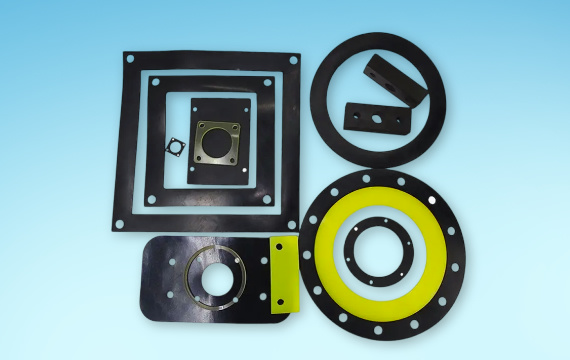
Custom Die-Cutting Silicone Rubber Gaskets
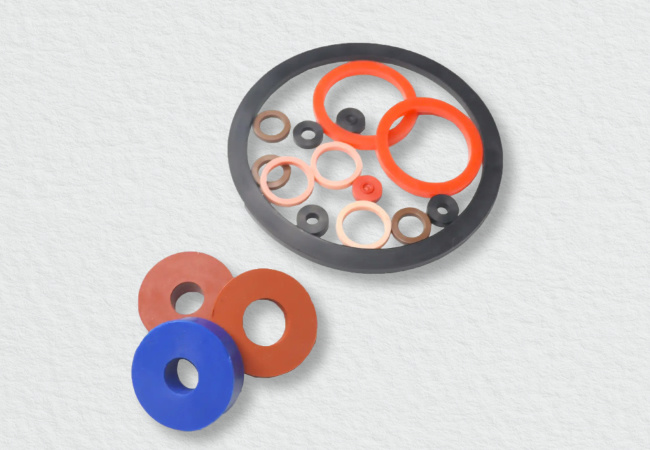
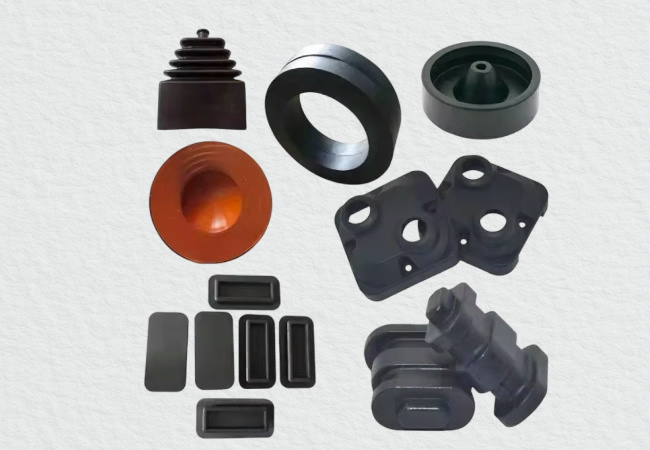
We offer Die-Cutting Silicone Rubber Gaskets tailored to your exact requirements. Whether for automotive electronics, security, or other industries, our high-quality silicone materials and precision cutting ensure a perfect fit for your applications.
We provide fast production, flexible solutions, and cost-effective services, helping you improve product quality and reduce time to market. Contact us today to learn how our custom die-cutting services can support your business needs!
Die-Cutting Silicone Rubber Gaskets: Crafting Precision
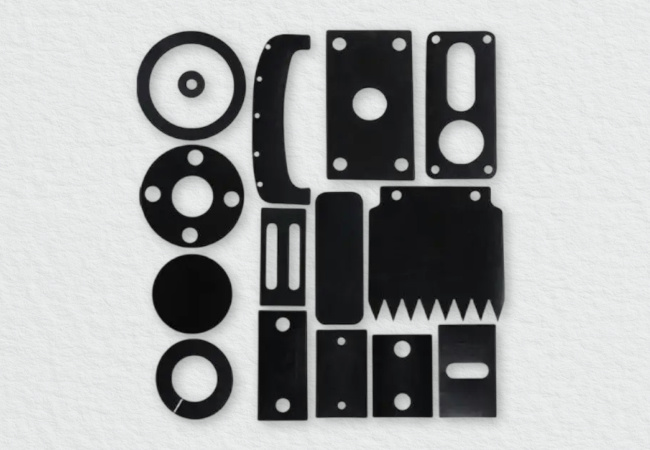
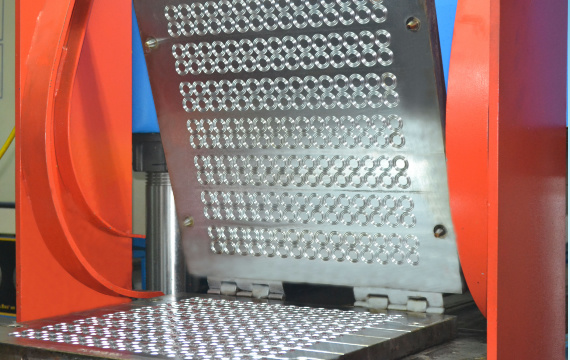
Die-cutting silicone rubber gaskets involves shaping durable and heat-resistant silicone into precise forms for sealing and insulation. The process starts with selecting the right silicone material and designing custom moulds for cutting.
Key methods include flatbed die-cutting for bulk production, rotary die-cutting for high precision, and laser cutting for intricate designs. Each technique ensures clean, accurate cuts tailored to specific needs.
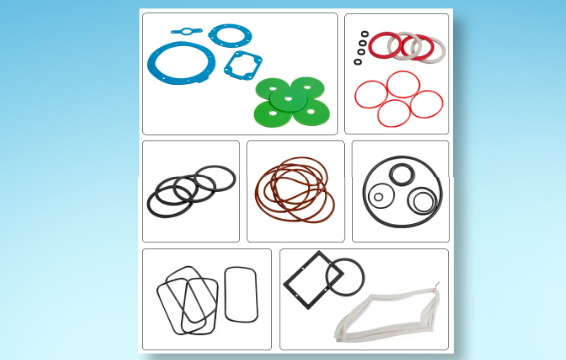
The Precision Environment for Silicone Gasket Cutting
We cut silicone rubber gaskets in a clean, controlled environment to ensure top quality. Our 1000-class cleanrooms minimise dust and contamination, while temperature and humidity are kept between 18°C~28°C and 40%~60% humidity to prevent material issues.
We use anti-static tools and keep equipment spotless to avoid defects. Materials are pre-conditioned for 24 hours, and staff wear protective gear to maintain cleanliness. This careful setup ensures every silicone gasket meets strict size, strength, and performance standards.
Nrnare ut volutpat a, maximus
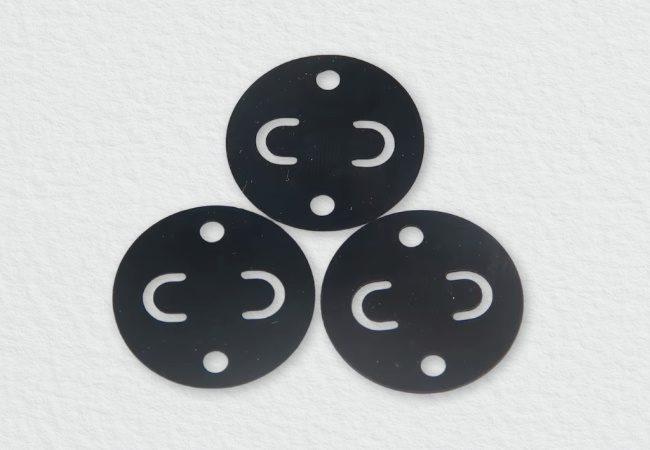

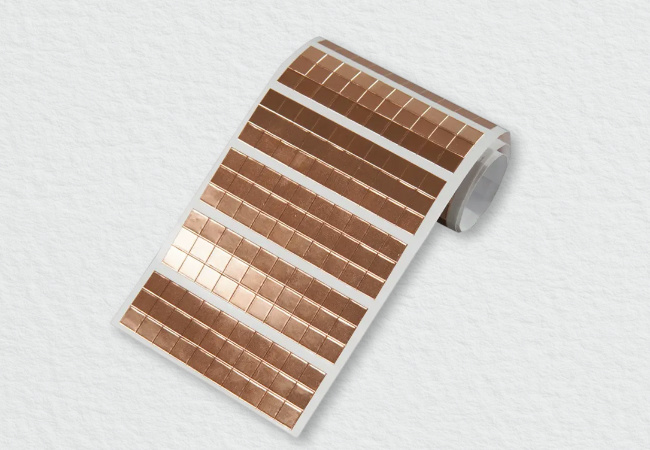
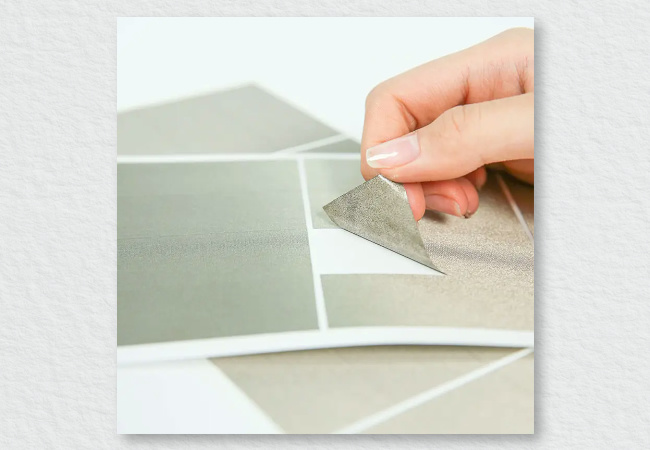
Silicone Rubber Gaskets – Our Precision Die-Cutting Solutions
Our Die-Cutting Equipment

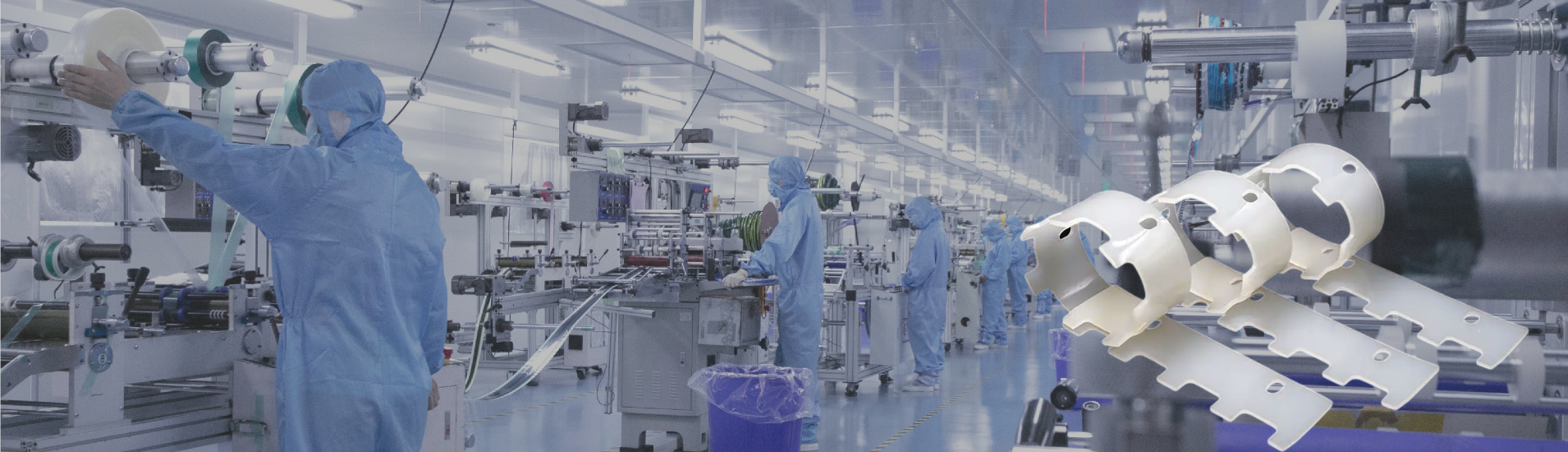
Silicone rubber gaskets are widely used in electronics, medical devices, automotive systems, and industrial machinery where they provide exceptional sealing performance, flexibility, and resistance to extreme temperatures. At our Class 1000 cleanroom facility, we manufacture these gaskets in a controlled environment to eliminate contamination risks that could affect sealing integrity or product performance.

We utilize advanced automatic roll-to-roll lamination machines to precisely apply adhesive layers onto silicone sheets. This ensures even distribution, strong adhesion, and a clean bonding surface without bubbles or wrinkles. The result is a gasket that maintains its seal under mechanical stress, vibration, and long-term use.

Our high-precision die-cutting machines can achieve dimensional tolerances of ±0.01mm, enabling us to produce complex gasket profiles with perfectly clean edges. Whether for small medical sealing rings or large-format industrial panels, our die-cutting process ensures consistent accuracy and repeatability in every production run.
Our Die-Cutting Quality Control

To guarantee product accuracy, we perform precise dimensional measurements using advanced 2.5D measuring instruments. This ensures each silicone gasket exactly matches customer specifications, preventing fitment issues and maintaining sealing efficiency.

Our cleanroom is constantly monitored with dust particle counters to maintain the required cleanliness levels, while binocular and CCD microscopes are used to inspect edges and surfaces for any imperfections that might compromise gasket performance.

Performance testing includes peel strength measurements for adhesive-backed gaskets, compression set evaluations to ensure long-term resilience, and environmental simulations for temperature extremes, humidity, and UV exposure. These tests confirm that our silicone gaskets remain functional under the most challenging application conditions.
Our Inspection Team

Operating entirely within the Class 1000 cleanroom, our inspection team is trained in handling silicone materials with care to avoid stretching, surface marks, or deformation during checks. Each gasket is examined for precise dimensions, surface cleanliness, and adhesive bonding strength.
By combining technical inspection tools with expert craftsmanship, we ensure that every gasket shipped meets strict internal quality standards and customer-specific requirements.
Our Mold Management

We manage mold production entirely in-house, starting with CAD-based design for accuracy, followed by CNC machining or laser cutting to achieve precise mold profiles. This allows us to create customized molds quickly to meet unique sealing requirements.
Regular maintenance, calibration, and cleaning of molds help us maintain cutting precision, prolong tool life, and ensure uninterrupted production. Mold usage data is tracked to schedule timely replacements and adjustments.
Our Product Cases

One example is dust-proof meshes and gasket rings used in smartphones, tablets, and wearable electronics. These components protect sensitive parts from dust while maintaining airflow or acoustic transparency.

Another case involves camera foam gaskets for smartphones, designed to block dust and prevent light leakage around camera modules. This improves image clarity and overall device reliability.

A third example is PET and PC protective films used for insulation, scratch resistance, and as substrates for flexible circuits. These are precisely cut and inspected to guarantee flawless surfaces and accurate dimensions.
Contact us to customize your Silicone Rubber Gaskets solutions for high-performance sealing, durability, and application-specific needs.
Silicone Rubber Gaskets offer several key advantages over other common rubber materials, such as EPDM and NBR. These advantages make them ideal for demanding applications. Here’s a simplified overview:
Wider Temperature Range
Silicone Rubber Gaskets work well in extreme temperatures, ranging from -60°C to 250°C. In comparison, EPDM handles -40°C to 150°C, and NBR only works between -30°C and 120°C.Stronger Chemical and Weather Resistance
Silicone is highly resistant to UV, ozone, and weathering, making it perfect for outdoor and harsh environments. EPDM also performs well in weathering, but silicone offers better overall chemical resistance.Biocompatibility and Food Safety
Silicone is non-toxic and FDA-compliant, often used in food processing and medical equipment. EPDM and NBR typically lack food-grade or medical certifications.Elastic Recovery and Compression Set
Silicone gaskets quickly return to their original shape after compression, ensuring long-term sealing performance. In contrast, NBR and EPDM can lose their sealing properties due to permanent compression set.Electrical Insulation
Silicone provides excellent electrical insulation, which is vital in electronics and electrical systems. EPDM and NBR offer weaker electrical insulating properties.Water and Moisture Resistance
Silicone gaskets are great at preventing water and moisture from entering, offering better protection against humidity than EPDM.Oil Resistance
Silicone offers moderate oil resistance, suitable for light oil exposure. However, NBR excels in oil resistance but doesn’t match silicone in temperature and weather resilience.Flexibility and Adaptability
Silicone remains flexible in extreme temperatures and vibrations. NBR and EPDM can become brittle in low temperatures or soften in high temperatures.Longevity and Cost-Effectiveness
Although silicone gaskets cost more upfront, their durability and long lifespan make them more cost-effective over time. EPDM and NBR may require more frequent replacements.Environmental Sustainability
Silicone is non-toxic and recyclable, meeting modern environmental standards, unlike NBR and EPDM, which have lower environmental ratings.
Overall, Silicone Rubber Gaskets stand out in terms of temperature resistance, durability, biocompatibility, electrical insulation, and long-term cost-efficiency. They are ideal for high-performance industries like food, medical, electronics, and aerospace. We offer tailored die-cutting services to ensure the best fit for your sealing needs.
Testing the Squishiness of Silicone Rubber Gaskets
Imagine you have a soft rubber pad, and you want to know how well it bounces back after being squished. This is important because if it doesn’t bounce back properly, it might not seal things tightly over time. Here’s how we test it:
1. Get Your Rubber Sample Ready
First, you need a small piece of the rubber gasket. It should be a nice, even shape, like a little disc or a block. Measure how thick it is before you start. Let’s call this the starting thickness.
2. Squish It
Place the rubber piece between two flat plates and press it down. You want to squish it to about 75% of its original thickness. Make sure you press it evenly, like squishing a soft toy.
3. Keep It Squished for a While
Now, leave it squished in a warm place, like an oven set to 70°C. Keep it there for about 22 hours. This simulates how it would behave in a hot environment over time.
4. Let It Go and Measure Again
After 22 hours, take it out and let it rest for a bit, say 30 minutes. Then measure how thick it is now. This is the final thickness.
5. Do the Math
To find out how much it changed, use this simple formula:
If the number is low (like less than 30%), that means the rubber is good at bouncing back and will work well as a seal. If it’s higher, it might not be the best choice.
Key Points to Remember:
Starting Thickness: How thick it is at the beginning.
Squish It: Press it down to 75% of its original thickness.
Change: The lower the change, the better the rubber will seal over time.
So, that’s it! Testing the squishiness of rubber gaskets is all about seeing how well they bounce back after being pressed for a long time. It helps us know if they’ll stay tight and keep things sealed properly.
To avoid tearing Silicone Rubber Gaskets during installation, here are some simple steps to follow:
Start by checking the gasket for any defects or damage. If there are any, replace it.
Ensure the surfaces where the gasket will sit are clean and dry. Remove any dirt or old gasket material.
Be gentle when placing the gasket. Don’t stretch or twist it, as this can cause it to tear. If it’s hard to position, use a plastic pick to guide it.
Make sure the gasket is aligned properly with the bolt holes or edges. Misalignment can cause uneven pressure, leading to tears.
Use lubricant on the bolts, but avoid applying it to the gasket’s sealing surface. This helps to prevent damage during installation.
Tighten the bolts gradually in a crisscross pattern. Avoid overtightening as it can damage the gasket.
In most cases, you won’t need additional sealants. Silicone rubber gaskets don’t usually need them and can be damaged by their use.
Finally, double-check that the gasket is properly seated and undamaged after installation.
By following these steps, you can prevent tearing and ensure a reliable, long-lasting seal with your Silicone Rubber Gaskets. We offer expert die-cutting services to help you get the best fit for your application.
Silicone Rubber Gaskets typically work in temperature ranges from -60°C to 230°C (-76°F to 446°F). Some special types can handle even higher temperatures, reaching up to 300°C (572°F) or, in extreme cases, 315°C (599°F).
For regular silicone rubber, the range is -60°C to 230°C.
High-temperature silicone can handle up to 300°C intermittently.
Special formulations like fluorosilicone can withstand up to 315°C.
When choosing the right silicone gasket, always consider the temperature and environment of your application. For extreme heat, go for the high-temperature or special formulations. We offer precision die-cutting services to provide you with the perfect gasket for your needs.
Silicone Rubber Gaskets Are Widely Used In The Automotive Industry.
This Is Due To Their Excellent Heat Resistance, Chemical Resistance, Weather Resistance, And Flexibility.
Here Are Some Key Applications:
Engine Sealing Silicone Rubber Gaskets Seal Cylinder Heads To Prevent Leaks.
They Also Seal The Engine And Transmission To Keep Oil In.Cooling System Silicone Rubber Is Ideal For Sealing Coolant Pipes Due To Its Heat Resistance.
Silicone Hoses Are Used In Radiators And Heaters To Withstand High Temperatures.Electrical Systems Silicone Rubber Protects The ECU From Dust And Moisture.
It Also Seals Electrical Connectors To Prevent Short Circuits.Body Sealing Silicone Rubber Seals Windows And Doors To Keep Dust, Water, And Noise Out.
It Enhances The Seal Between Body Panels, Improving Durability.Fuel Systems Silicone Gaskets Are Resistant To Fuel Corrosion, Ensuring Safe Seals In Fuel Lines.
They Maintain Sealing Performance Under High Pressure In The Fuel Injection System.Lighting System Silicone Rubber Seals Headlights, Preventing Moisture From Entering And Extending Their Lifespan.
HVAC Systems Silicone Rubber Is Used To Seal Air Conditioning And Heating Systems To Ensure Smooth Airflow.
Other Applications Silicone Insulates Spark Plug Boots To Prevent Leaks Of Electrical Sparks.
It Also Seals Battery Modules In Electric Vehicles To Ensure Battery Safety.
Why Choose Silicone Rubber?
- High Temperature Resistance: Performs Well From -60°C To 250°C.
- Chemical Resistance: Withstands Oil, Fuel, And Other Chemicals.
- Weather Resistance: Strong Against UV Rays, Ozone, And Moisture.
- Flexibility And Durability: Stays Flexible In Both High And Low Temperatures.
Silicone Rubber Gaskets Are Essential In The Automotive Industry, With Applications In Engines, Cooling Systems, Electrical Systems, And Body Sealing.