

Top Quality Die Cutting Foil Tapes Provider
- Customize various sizes For Die Cutting Foil Tapes Provider
- Fast Sample Production for Foil Tapes Provider in Just 3 Days
- ISO14001 Certified Foil Tapes Die-Cutting Production
- Over 20 years of Die Cutting experience
- Product Details
- Application Overview
- Material Insights
- Foil Tapes are fire-resistant and meet UL 746C and UL 723 standards.
- Some, like 3M™ Aluminum Foil Tape 425, work up to 149°C long-term.
- Foil Tapes block moisture effectively, making them great for sealing.
- The aluminum surface reflects heat and light, useful for thermal insulation.
- They resist UV rays and chemicals, suitable for indoor and outdoor use.
- Foil Tapes meet RoHS standards and contain no harmful materials.
- Aluminium Foil Tape with Paper Backing: Used for sealing HVAC system joints and insulating materials like rock wool, protecting against moisture and corrosion.
- Aluminium Foil Tape without Paper Backing: Designed for fast bonding, typically used in sealing HVAC system joints.
- Water-Based Adhesive Aluminium Foil Tape: Features low toxicity, suitable for indoor insulation and general repairs.
- Solvent-Based Aluminium Foil Tape: Highly durable, perfect for outdoor use or extreme conditions.
- Acrylic Pressure-Sensitive Aluminium Foil Tape: Offers excellent long-term adhesion, ideal for outdoor applications.
- Fibreglass Reinforced Aluminium Foil Tape: Offers great moisture resistance, commonly used for sealing pipes and insulating HVAC ducts.
- Flame Retardant Aluminium Foil Tape: Blocks heat and fire, often used for insulation in walls and steel frames.
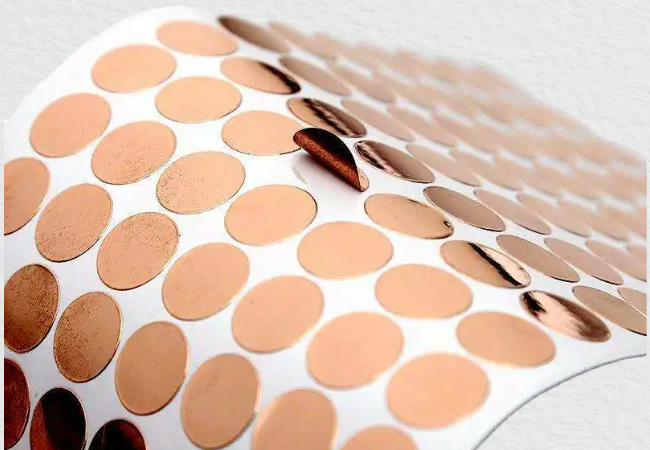
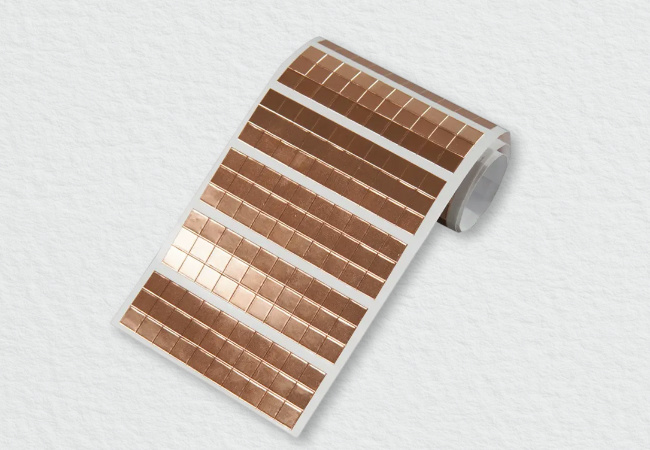
- Copper Foil Tape: Primarily used for electromagnetic shielding in electronics, providing excellent conductivity and protection against EMI.

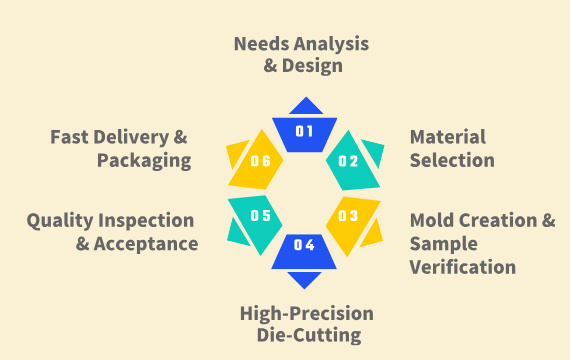
Precision Die-Cutting Process for Foil Tapes
Our expertise lies in crafting tailored die-cut solutions for Foil Tapes.
These tapes, made from metal foils like aluminium or copper combined with pressure-sensitive adhesives, require careful handling.
Based on our extensive experience, we first select and inspect high-quality foil materials to ensure they meet strict standards—free from creases or defects.
Using precision-engineered moulds designed for the metal’s hardness and flexibility, we achieve clean and accurate cuts every time.
Discover More for Your Die Cutting Projects
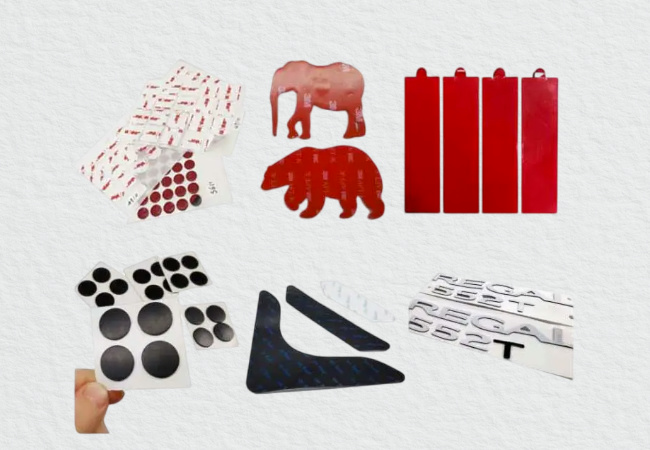
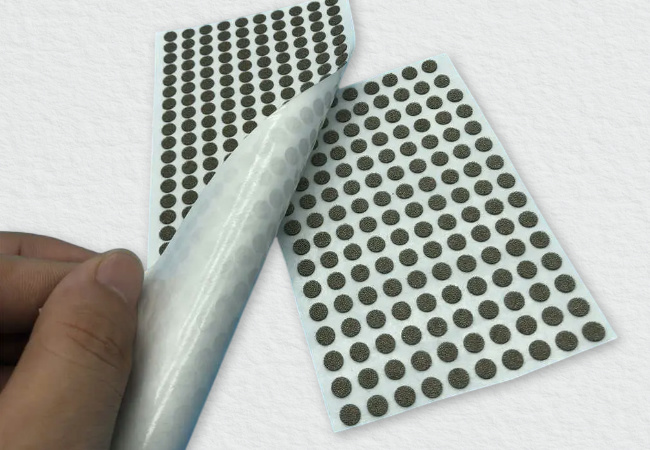
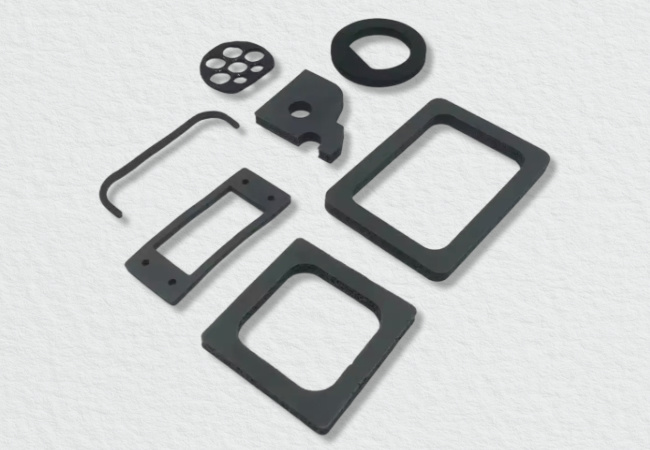
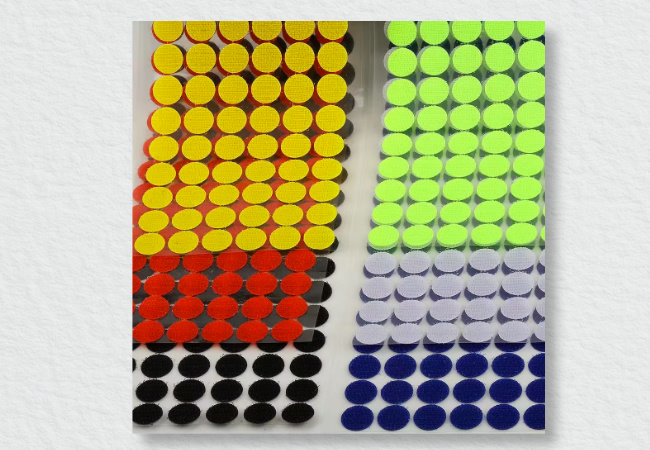
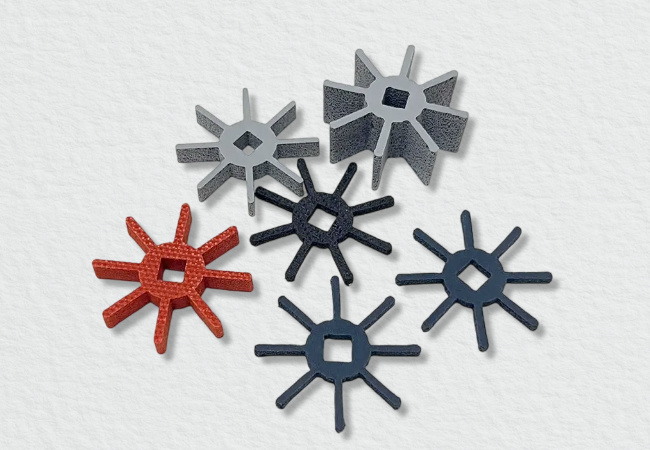
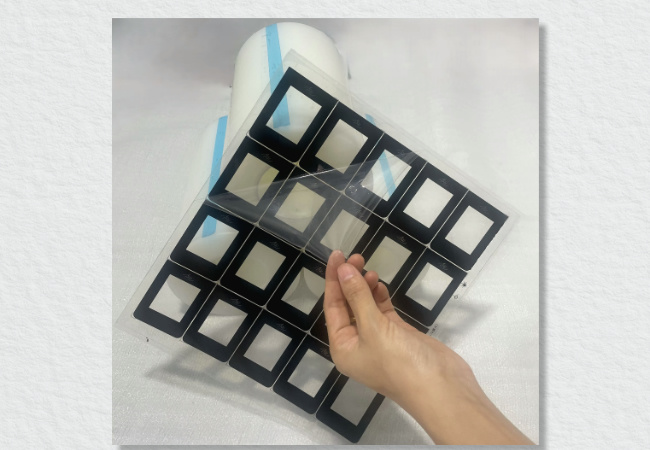
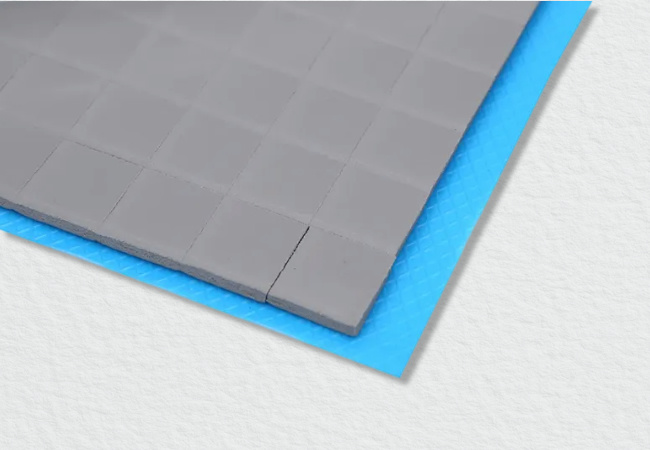
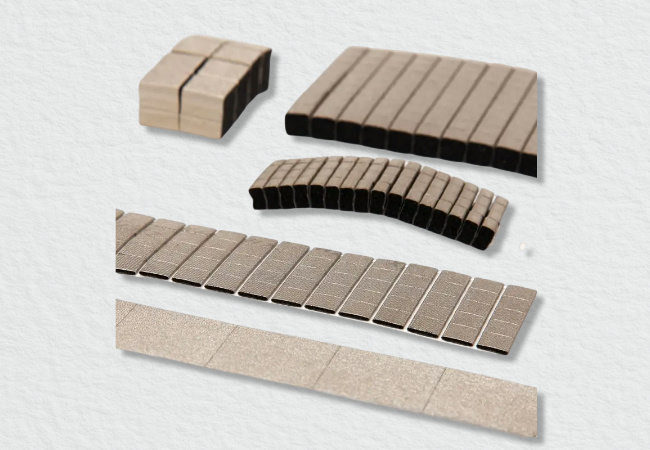
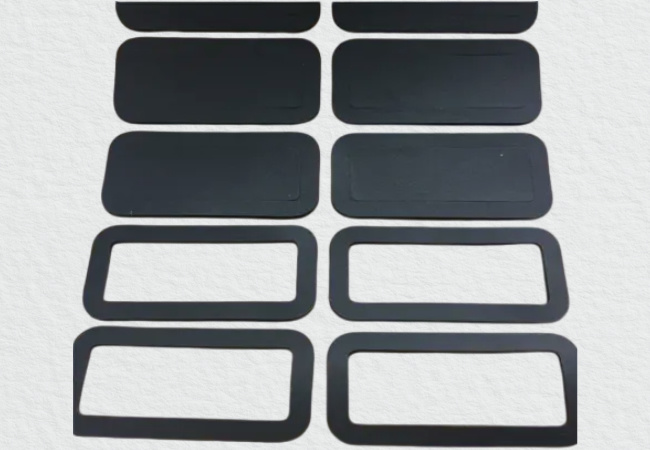
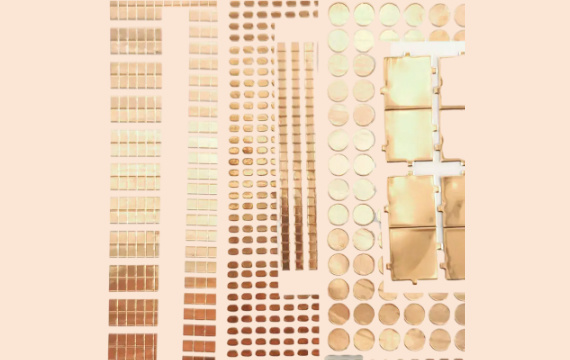
Foil Tapes – Our Precision Die-Cutting Solutions
Our Die-Cutting Equipment

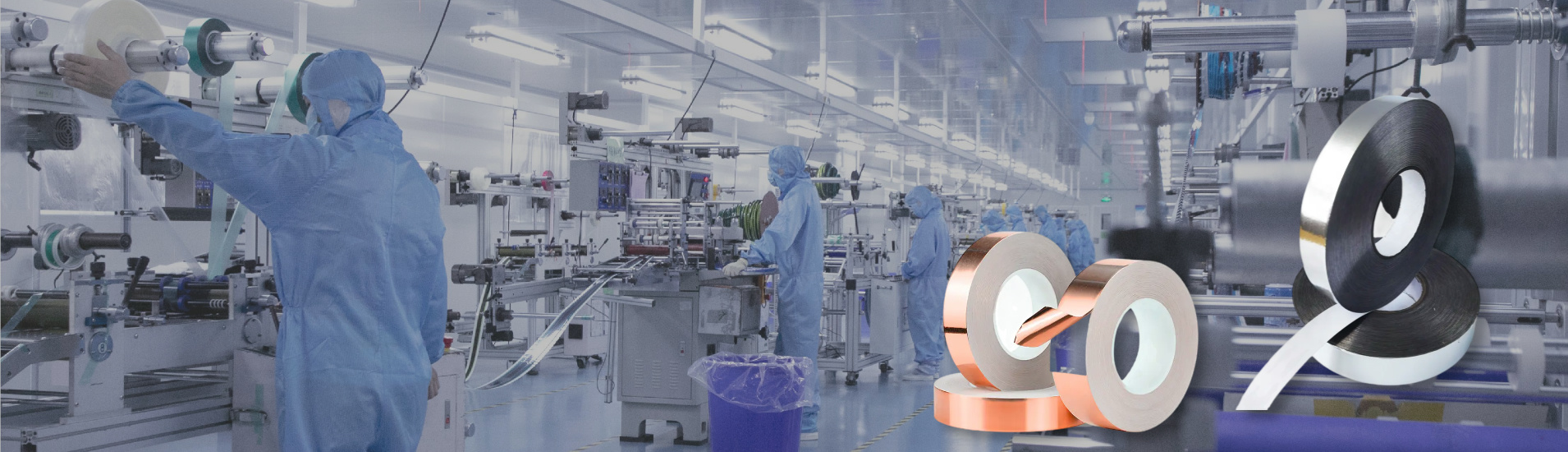
Our Foil Tapes production takes place within a Class 1000 cleanroom to ensure a contaminant-free environment, critical for maintaining the adhesive and foil layers’ integrity. We use automatic roll-to-roll lamination machines to precisely combine the foil with adhesive substrates, ensuring consistent thickness and superior bonding performance.

Automatic lamination waste removal machines enhance production efficiency by removing scrap material automatically, resulting in clean, accurate tape edges. This precision is essential for foil tapes used in shielding, insulation, and heat management applications.

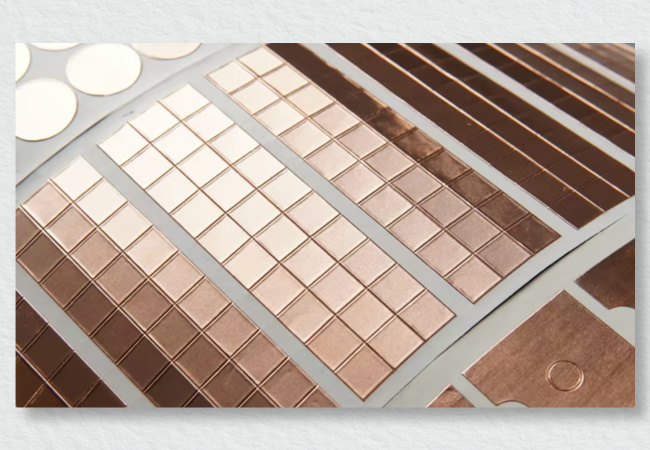
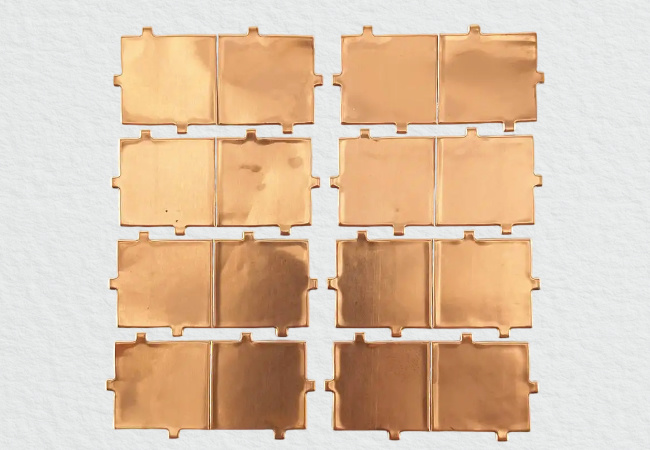
Our high-precision die-cutting machines deliver complex shapes with tight tolerances of ±0.01mm. These machines ensure each foil tape component fits perfectly in demanding electronics, automotive, or industrial uses. The cleanroom environment further guarantees consistent quality and minimal contamination risk.
Our Die-Cutting Quality Control

Quality control for Foil Tapes involves advanced testing equipment to ensure product performance. Dimensional accuracy is checked using 2.5D measurement tools, and dust particle counters maintain cleanroom air quality. Surface inspections through binocular and CCD microscopes detect micro-defects that could compromise adhesive or shielding properties.

Peel testers measure adhesive strength for reliable bonding, while thickness gauges verify uniform foil and adhesive layers. Tape holding power tests assess durability, and constant temperature and humidity chambers simulate harsh environmental conditions to confirm product longevity.

In-process quality control (IPQC) stations monitor production continuously, allowing early defect detection and correction. Our training inspection areas maintain operator expertise in precision measurement and defect identification. For conductive foil tapes, DC low resistance testers confirm electrical performance.
Our Inspection Team

Operating within the Class 1000 cleanroom, our inspection team performs final quality checks on every batch of Foil Tapes before shipment. This ensures strict adherence to dimensional, adhesive, and cleanliness standards, supporting reliable assembly and product performance.
Our Mold Management

Our mold workshop supports Foil Tape production by designing and manufacturing custom molds with CAD precision. CNC machining and laser cutting allow complex shapes and fine details, while routine mold maintenance ensures consistent accuracy and short lead times.
Our Product Cases

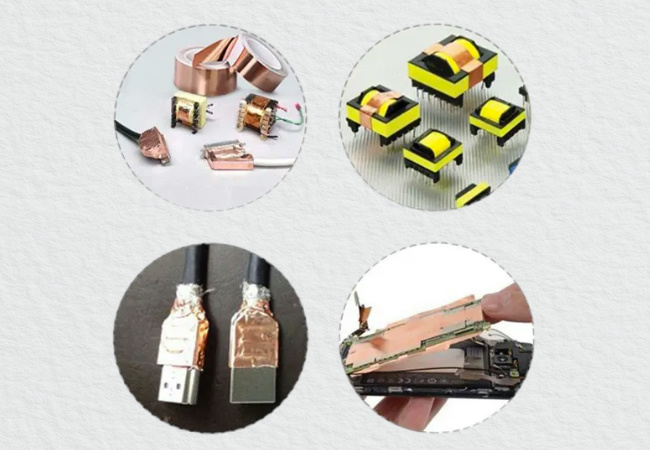
Foil Tapes are widely used for electromagnetic shielding and heat dissipation in electronics and automotive industries. Our precision die-cutting produces tape components that provide effective EMI/RFI shielding, thermal management, and mechanical protection. The cleanroom environment prevents contamination, preserving tape performance.

In industrial sealing and insulation, foil tapes offer strong adhesion and resistance to temperature extremes. Our automated lamination and peel testing ensure consistent quality and durability for these demanding applications.

For electronics assembly, die-cut foil tapes serve as conductive layers and protective barriers, enhancing device reliability. Tight dimensional control facilitates integration into complex assemblies.
Contact us to customize your Foil Tape solutions!

Foil Tapes are typically made from metal materials, and they can be made from a few different types, such as:
- Aluminium Foil: This is the most common type, with a layer of aluminium and either a rubber or acrylic adhesive.
- Copper Foil: Used mainly for electromagnetic shielding, copper foil tape takes advantage of copper’s excellent conductivity.
- Bronze: A copper-tin alloy that is strong, corrosion-resistant, and has good thermal and electrical conductivity.
- Silver Foil: Known for its excellent shielding properties, silver foil also has antibacterial and anti-oxidation qualities.
- PVC: Some foil tapes are made with PVC, which acts as a fire-resistant base and can block moisture from above.
These materials give Foil Tapes different characteristics, such as temperature resistance, waterproofing, and electromagnetic shielding. We provide die-cutting services for a range of materials, including foil tapes, to meet your needs.

Yes, Foil Tapes are generally suitable for bonding on curved surfaces.
The metal foil material is flexible and can stretch, allowing it to conform to different shapes. This makes Foil Tapes ideal for sealing, protecting, and repairing curved or irregular surfaces.
For example, aluminium foil tape is commonly used for sealing pipes, insulating cables, and protecting curved parts in the automotive industry.
However, the exact suitability depends on factors like tape thickness, adhesive strength, and the specific shape and size of the surface.

Foil Tapes are highly suitable for shielding electronic devices. Here’s why:
Copper foil tape, for example, is commonly used for electromagnetic shielding. Its excellent conductivity helps block electrical signals, while the added nickel in the adhesive helps shield against magnetic interference.
Conductive fabric tapes, with their excellent shielding properties, are widely used in electronics like computers and mobile phones. They help isolate and block electromagnetic and radio frequency interference, ensuring stable performance during high-frequency transmission.
For instance, 3M™ 3313 conductive copper foil tape uses a conductive acrylic adhesive, which offers strong adhesion and is highly flexible. This makes it ideal for applications like EMI/RFI shielding, flexible flat conductors, and circuit boards.
In summary, Foil Tapes, especially copper foil and conductive fabric tapes, are perfect for providing reliable electromagnetic shielding for electronic devices.

Foil Tapes can resist some chemical solvents, but it depends on the tape’s material and the type of solvent.
For example, 3M™ Aluminum Foil Tape has an acrylic adhesive that offers some chemical resistance, but this can vary with different solvents.
Aluminium and certain plastics resist some chemicals well, while others might cause damage.
Specific tapes, like 3M™ solvent-resistant labels, can withstand chemicals such as acetone and toluene, protecting printed information.
Overall, the chemical resistance of Foil Tapes depends on the material and the solvent.
For best results, it’s important to check the technical data sheets to ensure the tape is suitable for your specific needs.

The adhesive strength of Foil Tapes improves over time. After applying the tape, the adhesive gradually bonds better with the surface. For example, with 3M™ VHB™ Tape 5907, it reaches about 50% of its final strength within 20 minutes, 90% after 24 hours, and 100% after 72 hours. This means that Foil Tapes can provide strong, long-lasting adhesion.