
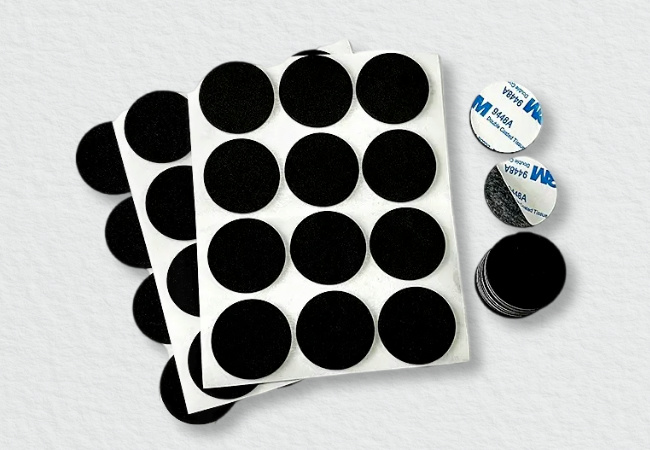
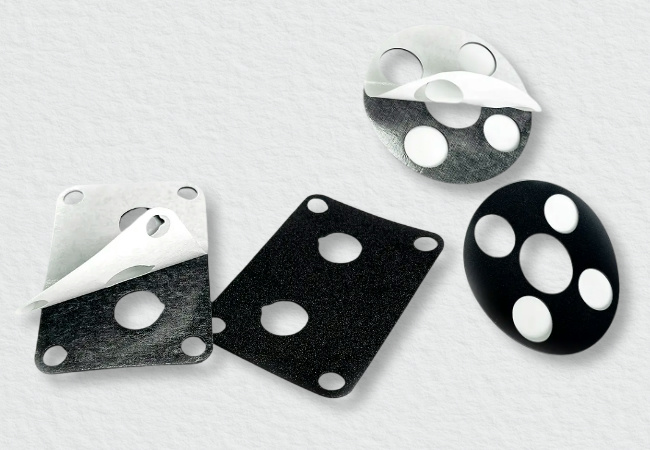
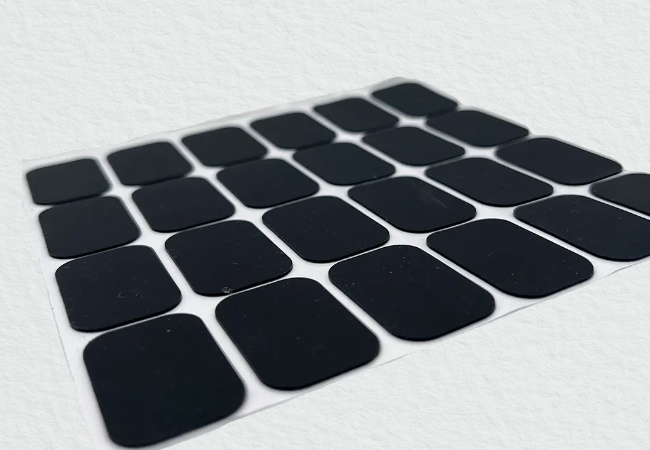
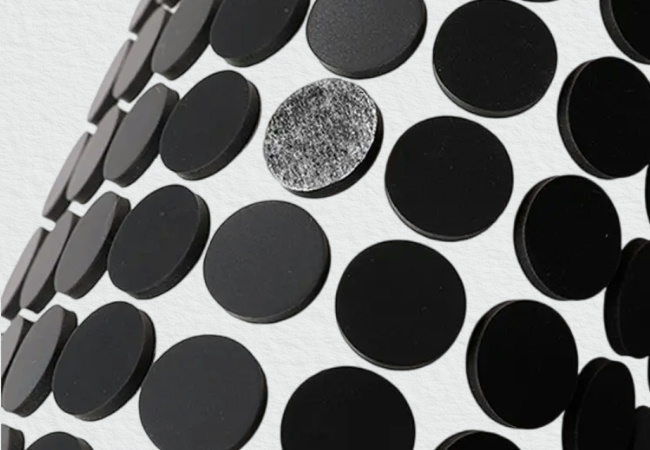
High Quality Die-Cutting Silicone Rubber
- Custom Die-Cutting Silicone Rubber to Power Your Projects
- Flexible MOQ for Your Custom Die-Cutting Silicone Rubber Needs
- We will design a custom, cost-effective solution for your business
- IATF 16949:2016 Certification
- Product Details
- Application Overview
- Material Insights
- Silicone rubber is a flexible material that stays stable in extreme temperatures from -60°C to 250°C.
- It doesn’t soften in heat or crack in cold, making it highly durable.
- Silicone rubber is an excellent insulator, ideal for electrical components in humid or high-heat environments.
- It resists chemicals like acids and solvents, ensuring reliability in harsh industrial applications.
- Silicone rubber is safe, non-toxic, and eco-friendly, widely used in medical and outdoor products.
We have provided die-cutting services for industries using silicone rubber, including electronics, automotive, and medical sectors. Silicone rubber is highly versatile due to its durability and resistance to extreme conditions.
Electronics and Electricals:
Used in cable jackets, seals, and insulators. It resists heat, moisture, and electricity, ensuring devices work safely outdoors or in tough environments.
Automotive Industry:
Used in engine seals, hoses, and O-rings. Its heat and oil resistance makes it perfect for high-temperature engine parts.
Medical and Hygiene:
Used in catheters, baby bottle teats, and medical seals. It’s safe for the body, non-toxic, and works well under sterilisation conditions.
Construction and Home Use:
Used in window seals, waterproofing, and roof joints. It adapts to weather changes and keeps buildings watertight and flexible.
Aerospace:
Used in insulation, heat shields, and seals. It performs reliably in extreme heat and cold, ideal for aerospace equipment.
Food Industry:
Used in baking moulds, food containers, and gaskets. It’s safe for food, resists chemicals, and can handle high temperatures.
With years of die-cutting expertise, we are here to introduce the key features of silicone rubber in a way anyone can understand.
Molecular Structure:
Silicone rubber is made up of silicon and oxygen atoms (-Si-O-Si-), creating very strong bonds. These bonds give it excellent heat resistance, making it more durable than regular rubber.
Vulcanisation Process:
Silicone rubber can cure (harden) at high or room temperatures. This process creates a strong 3D network, making the material stable and strong in different conditions.
Heat Resistance:
Thanks to its flexible molecular chains, silicone rubber can handle high temperatures without cracking or losing its shape.
Electrical Insulation:
It’s a great insulator, even when burned, as it forms silica, which remains non-conductive. It can also resist electrical sparks and arcs.
Surface Properties and Safety:
Silicone rubber doesn’t absorb much water and resists mould growth. It’s non-toxic, odourless, and safe for humans, making it suitable for medical and food-grade uses.
Gas Permeability:
It allows gases like oxygen and nitrogen to pass through more easily than natural rubber, with a higher preference for oxygen.
Chemical Resistance:
Silicone rubber resists most chemicals, including acids, bases, and solvents, making it ideal for use in harsh industrial environments.
Oil, Radiation, and Flame Resistance:
It remains stable in oils, fuels, and solvents at both high and low temperatures. It also resists radiation and burns slowly.

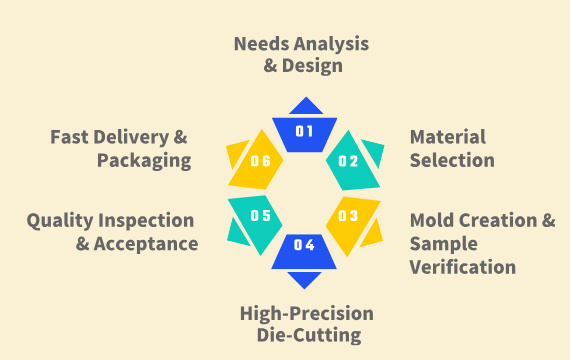
Custom Die-Cutting Services for Silicone Rubber
We offer tailored die-cutting solutions for Silicone Rubber, ideal for industries like automotive electronics and security. Our high-precision cutting ensures that each piece fits your exact needs, whether for small or large production runs. With a variety of materials and rapid delivery, we help you optimise production, reduce costs, and speed up time-to-market. Let us enhance your product quality with our custom die-cutting expertise.
Precise Die-Cutting Process for Silicone Rubber
Based on our extensive experience, the die-cutting process for silicone rubber involves selecting the right material, such as liquid silicone rubber (LSR) or high-consistency rubber (HCR), depending on its required flexibility and temperature resistance. Techniques like flatbed cutting for thin pieces and rotary cutting for larger shapes ensure precise results for various applications.
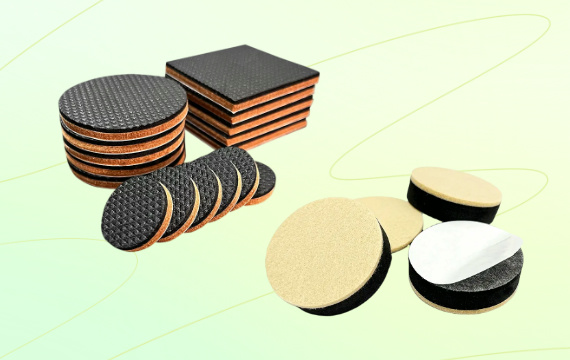
Discover New Die Cutting Materials
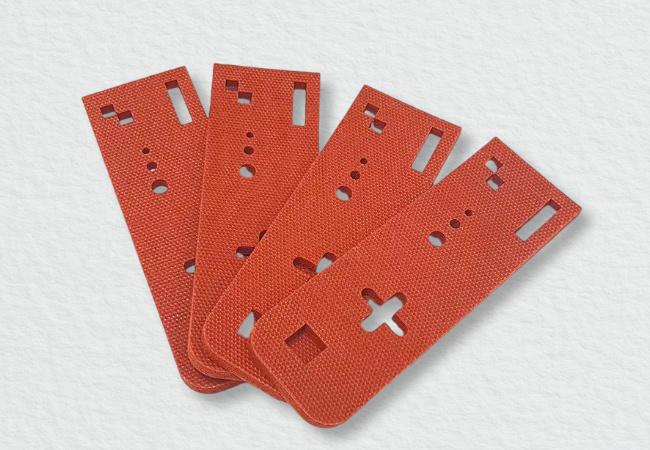
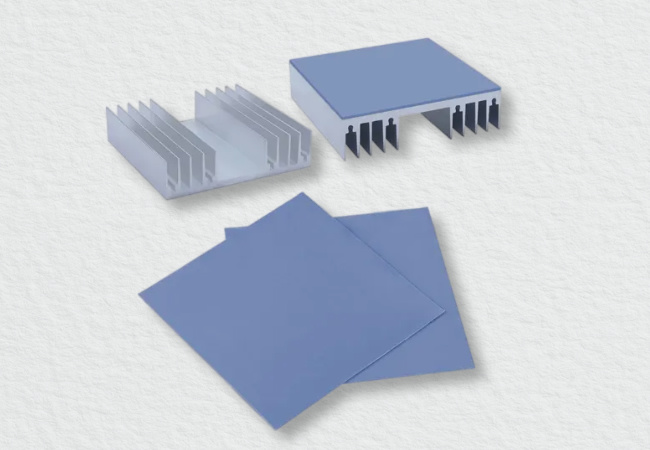
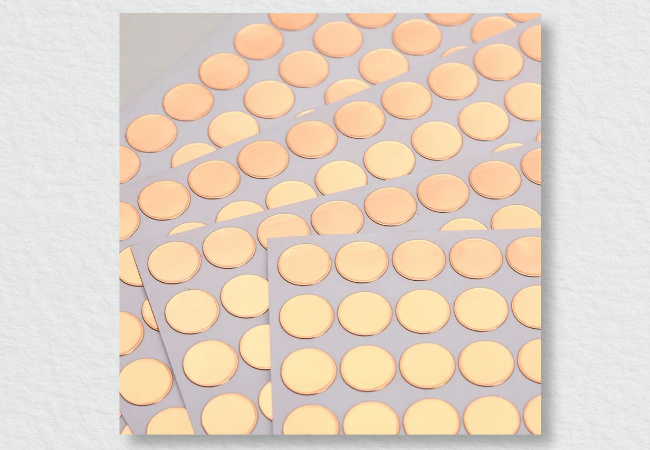
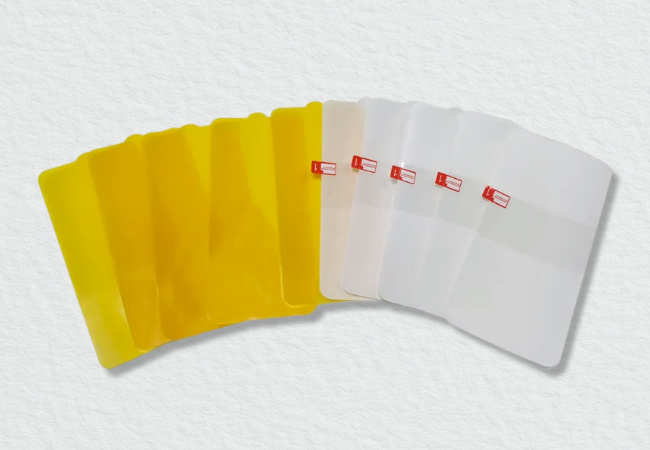
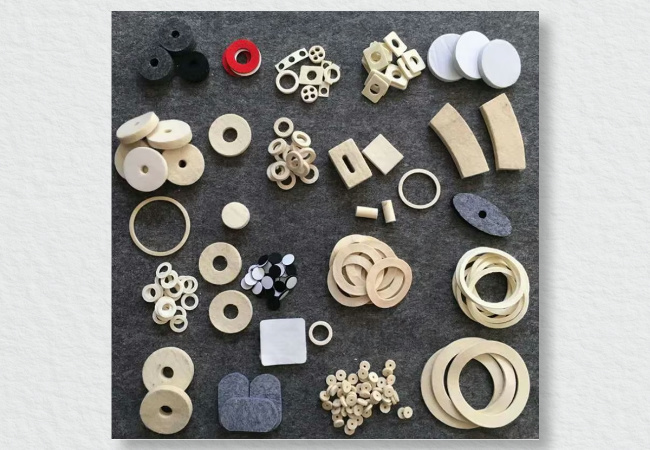
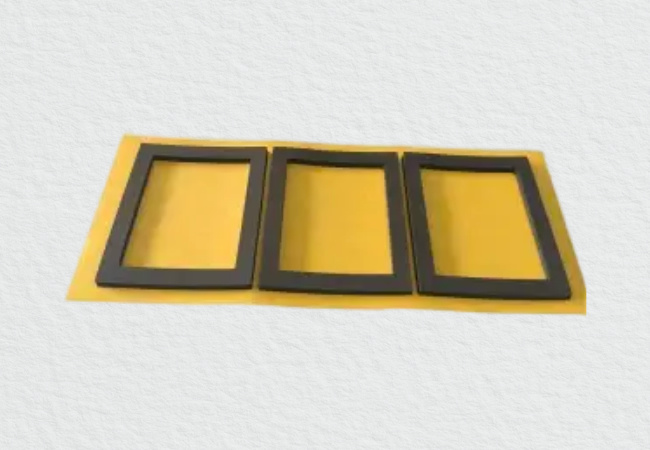
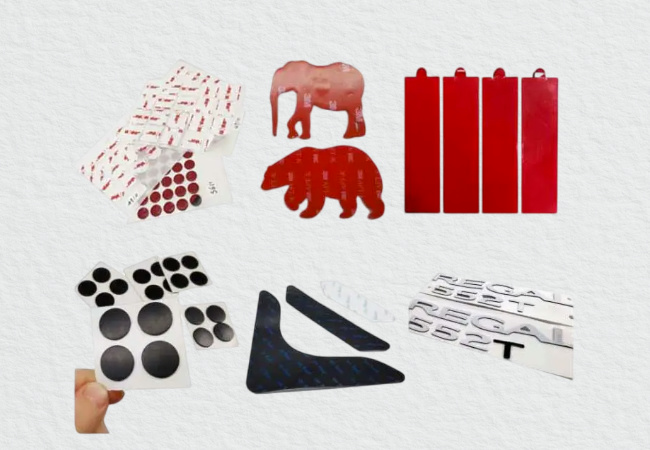
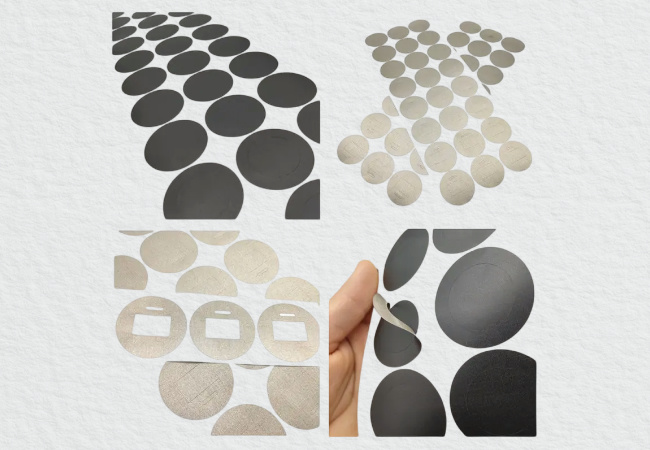
Silicone Rubber – Our Precision Die-Cutting Solutions
Our Die-Cutting Equipment

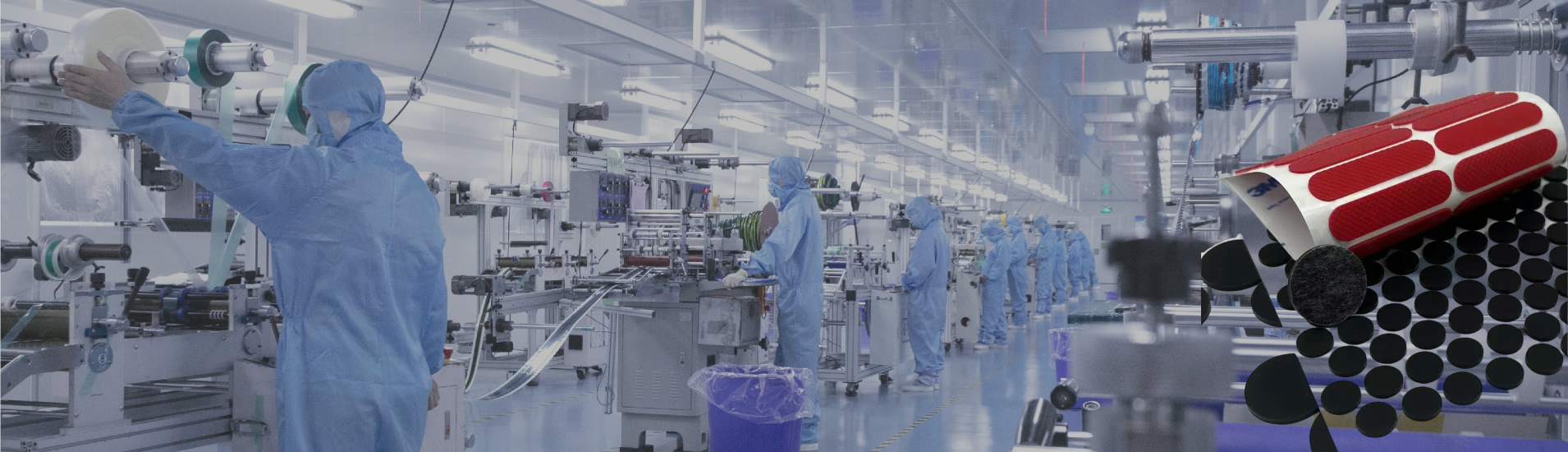
Our Silicone Rubber products are produced in a Class 1000 cleanroom, ensuring contamination-free manufacturing for high-performance applications. With our automatic roll-to-roll lamination machines, silicone rubber sheets can be precisely bonded with adhesives or layered with other materials, ensuring stability and uniformity across large-scale production.

The automatic lamination waste removal system enhances efficiency by cleanly removing excess material during processing, preventing defects and maintaining edge integrity. This process is essential for silicone rubber components used in sealing, insulation, and vibration-damping applications.

Our high-precision die-cutting machines are capable of cutting complex shapes with tolerances as tight as ±0.01mm, enabling us to meet the exacting dimensional and performance standards required in industries such as electronics, automotive, and medical devices.
Our Die-Cutting Quality Control

To guarantee the performance and reliability of Silicone Rubber products, we utilize a complete range of quality control instruments. Our 2.5D measurement systems ensure precise dimensional accuracy, while dust particle counters continuously monitor the cleanroom’s air quality. Binocular and CCD microscopes detect even the smallest surface defects.

Peel strength testers verify adhesive bonding, thickness gauges confirm uniform material profiles, and holding power testers assess long-term adhesion stability. Environmental chambers simulate extreme temperature and humidity to validate product durability in diverse operating conditions.

Our IPQC stations perform real-time inspections during production, and our dedicated training inspection zones ensure that operators consistently meet precision and quality requirements. For silicone rubber components in electrical applications, low-resistance testers are used to confirm conductivity specifications.
Our Inspection Team

Our inspection team, located in the Class 1000 cleanroom, performs thorough final inspections on all Silicone Rubber products before shipment. Every unit is checked for dimensional conformity, surface quality, and functional performance to ensure flawless delivery.
Our Mold Management

Our mold workshop designs, manufactures, and maintains specialized tooling for Silicone Rubber products. Using CAD design, CNC machining, and laser cutting, we create molds with exceptional precision. Regular maintenance and optimization ensure consistent performance and extended mold life.
Our Product Cases

One case involves dust-proof meshes and gasket rings for devices such as smartphones, earphones, and tablets. Made from breathable mesh or precision-cut gaskets, these parts protect internal components from dust without compromising sound quality. Cleanroom production and strict permeability testing ensure reliability.

Another case features foam gaskets for smartphone camera modules. These components prevent dust entry and block unwanted light, improving camera performance. Automated lamination ensures precise bonding, advanced die-cutting achieves intricate shapes, and adhesion strength tests guarantee long-term stability.

A third case involves PET or PC sheets with protective films, used as screen protectors, insulation layers, or scratch-resistant covers. Precision is verified using 2.5D measurement systems, surface quality is examined with CCD microscopes, and durability is tested under controlled temperature and humidity conditions.
Contact us to customize your Silicone Rubber solutions!
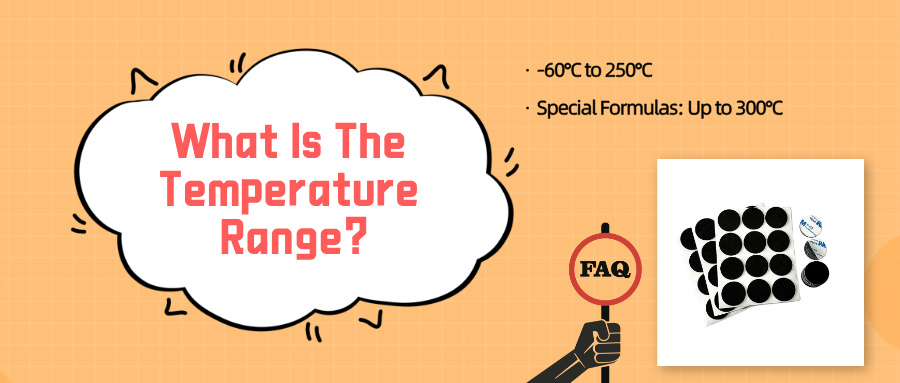
Silicone Rubber typically has a temperature range from -60°C to 250°C.
In special formulas, it can even handle up to 300°C.
This wide temperature tolerance makes it perfect for many industrial applications.
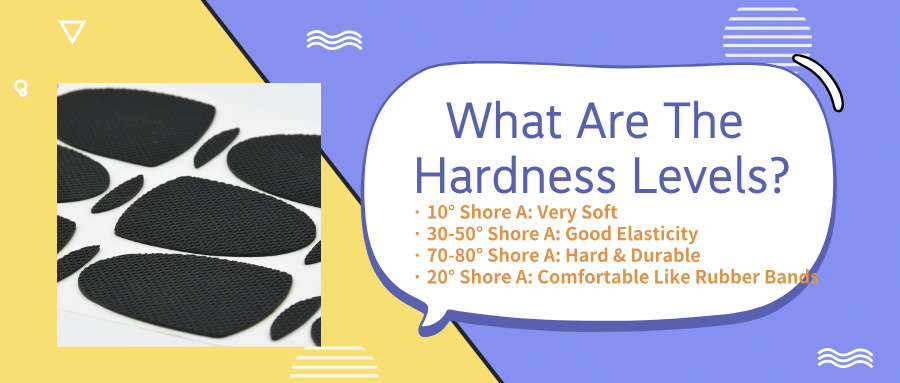
Silicone Rubber Hardness Is Measured Using Shore A Scale, Ranging From 10° To 90°.
Here Are Some Common Hardness Levels And Their Features:
- 10° Shore A: Very Soft, Like Sponge, Used For High-Flexibility Applications.
- 20° Shore A: Soft And Comfortable, Like Rubber Bands, Suitable For Personal Accessories.
- 30-50° Shore A: Soft With Good Elasticity, Ideal For Phone Cases, Baby Teethers.
- 50-60° Shore A: Balances Softness And Compression Resistance, Used For Headphone Covers, Game Controllers.
- 70-80° Shore A: Hard And Durable, Suitable For Automotive Parts, Tool Handles.
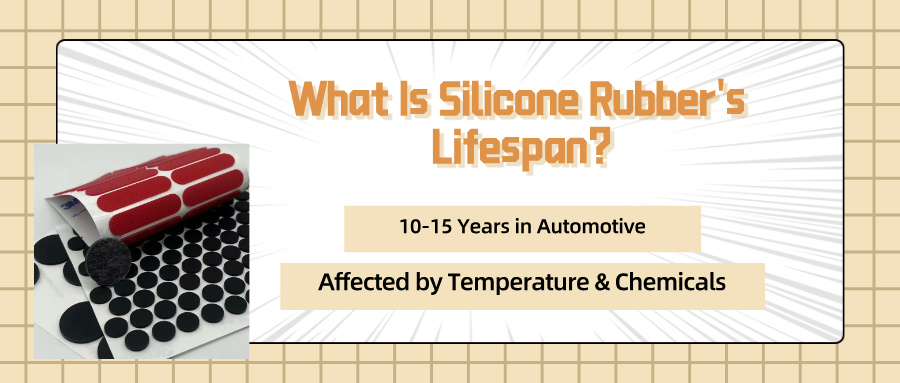
Silicone Rubber Typically Lasts Between 5 To 20 Years.
Its lifespan depends on the environment and usage.
For example, in automotive applications, it lasts about 10 to 15 years.
In medical equipment, it can range from 5 to 20 years.
For consumer products like kitchen tools, it’s usually 5 to 10 years.
In industrial settings, silicone rubber can last between 10 to 20 years.
Temperature, chemical exposure, and mechanical stress affect its lifespan.
We offering silicone rubber die-cutting services, ensures high-quality results for silicone rubber parts.

If the stickiness of silicone rubber decreases during use, try these methods:
First, clean the surface of the silicone rubber by gently wiping it with a clean cloth or soft brush. This will remove dust, oil, and other impurities.
If cleaning doesn’t work, you can use an anti-stick agent. A mixture of liquid Teflon, white spirits, and a curing agent can be sprayed on the surface to create a protective layer and reduce stickiness.
Another approach is adjusting the silicone rubber’s formula. During production, you can increase the ratio of base material and silicone oil, or reduce fillers like white carbon black.
You can also consider surface treatment methods, like sandblasting, which will give the surface a matte finish and reduce its stickiness.
Finally, make sure to store and use the silicone rubber under the right conditions. Avoid high temperatures, UV exposure, and chemical corrosion to maintain its performance.
If you’re looking for precision die-cutting services for silicone rubber or any related materials, We can help ensure the best results.