


Trusted EV Battery Thermal Insulation Material Solutions
We specialize in high-precision thermal insulation Solution for the EV battery industry. From Blue PET Protective Film and Insulating Mylar Sheets to Battery Insulation Paper and flame-retardant aerogels, we offer a full range of reliable materials tailored for battery safety, durability, and performance. Whether you’re developing battery packs for electric vehicles or looking for customized insulation solutions, We delivers consistent quality and expert support.
Advanced Aerogel for EV Battery Safety
Our EV Battery Thermal Protection Aerogel is engineered for critical safety. Its nano-porous structure traps air, blocking heat transfer through convection and radiation. Even during thermal runaway, it helps contain the heat and prevent spread. Lightweight, water-resistant, and fireproof, this aerogel delivers powerful protection without adding bulk. Ideal for EV battery packs that demand high thermal performance and safety under extreme conditions.


Reliable Mylar Insulation for EV Batteries
The Insulating Mylar Sheet is a tough, flexible film built to protect EV battery systems. It resists heat up to 150°C, stays stable in extreme temperatures, and won’t absorb moisture—making it ideal for high-humidity environments. UL-certified and easy to cut or customize, it offers excellent electrical insulation without shrinking, stretching, or tearing. Whether you need safety, clarity, or long-term durability, this material delivers dependable performance where it matters most.
Blue PET Film for EV Surface Protection
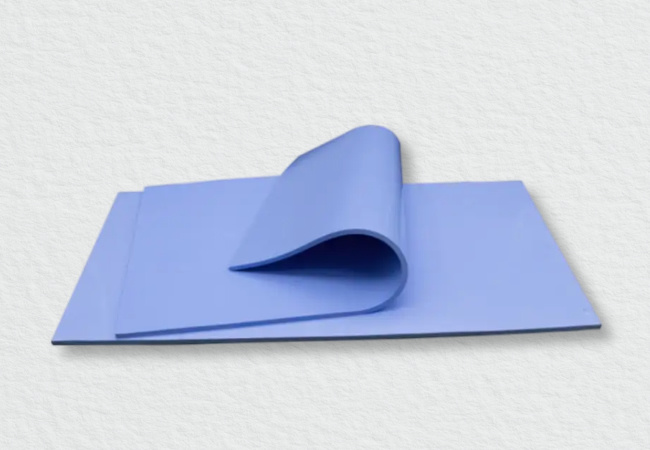
Blue PET Protective Film offers reliable surface protection for EV battery components. It sticks securely to metals, plastics, and glass—yet peels off cleanly with no residue. Scratch-resistant, anti-static, and heat-tolerant up to 150°C, this clear, flexible film shields sensitive parts during assembly or transport. Easy to cut and eco-friendly, it’s the smart choice for keeping your battery surfaces clean and damage-free.


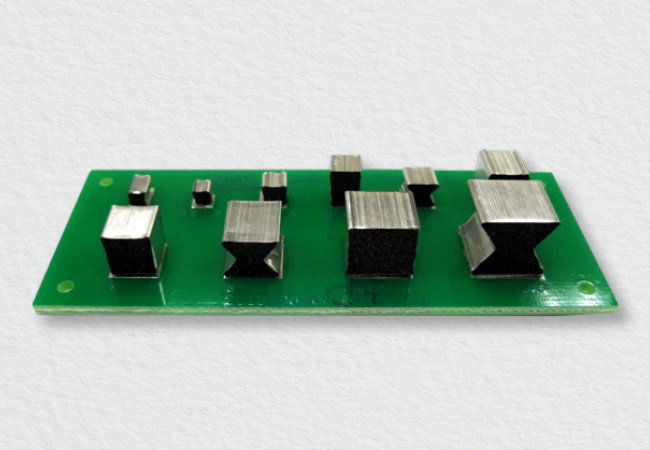
EMI Shielding Gasket for EV PCB Protection
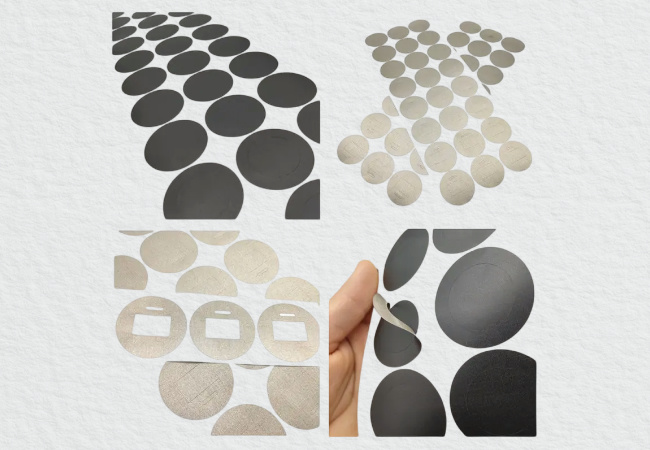
The PCB Shielding Gasket delivers reliable EMI protection for EV battery electronics. Made from flexible, conductive material, it ensures low resistance and stable signal performance. Designed for SMT compatibility, it holds shape under pressure and resists heat, moisture, and harsh environments. Perfect for high-density PCB layouts where clean, consistent shielding matters.
Types of Aerogels by Base Material
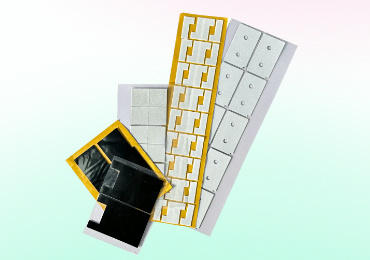
Flame-resistant, lightweight insulation for EV battery thermal protection.

High-strength, heat-blocking aerogel for EV battery insulation.

Heat-resistant, durable insulation for extreme EV battery conditions.
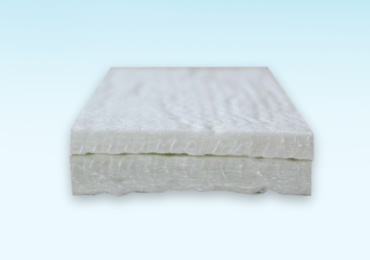
Ultra-high temperature insulation for EV battery protection up to 1100°C.
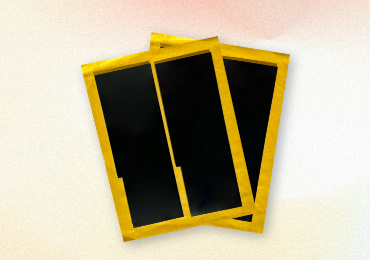
Lightweight, conductive aerogel for advanced EV battery applications.
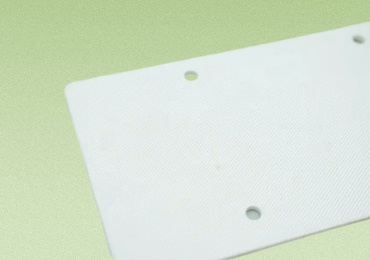
Flexible, durable aerogel for enhanced EV battery thermal protection.

Custom Die-Cutting in 6 Steps
We specialize in customized die-cutting solutions built around your unique needs. Our 6-step process—from initial needs analysis to material selection, tooling development, and sample validation—is designed to deliver both precision and speed. Whether you’re in prototyping or scaling up production, we ensure every detail meets your expectations.
What sets us apart? We offer 72-hour rapid prototyping and support ultra-precise 0.05mm cutting, giving you the flexibility to adapt quickly to market demands. Our process is built for clients who value agile manufacturing and high-mix, low-volume production. Let us help you turn ideas into high-quality products—fast and accurately.
- Trusted Standards
- Video
We deliver high-precision die-cutting backed by international certifications: ISO 9001, ISO 14001, and IATF 16949. These standards reflect our commitment to quality, environmental responsibility, and the strict demands of the automotive industry.
ISO 9001: Ensures consistent quality control from materials to final delivery.
ISO 14001: Focuses on reducing environmental impact through cleaner production.
IATF 16949: Meets the high standards of global automotive manufacturers.
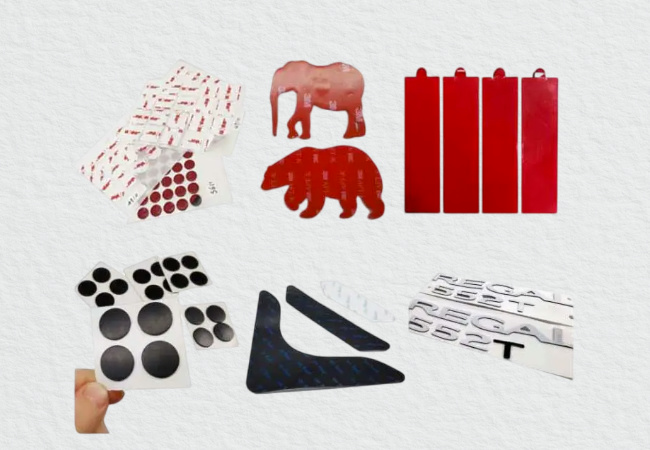
We offer custom die-cut solutions using advanced equipment and strict quality systems. From engine gaskets to headlamp seals, our products are used in automotive, electronics, medical, and industrial applications—where precision and reliability matter most.
Related Die-Cutting Materials
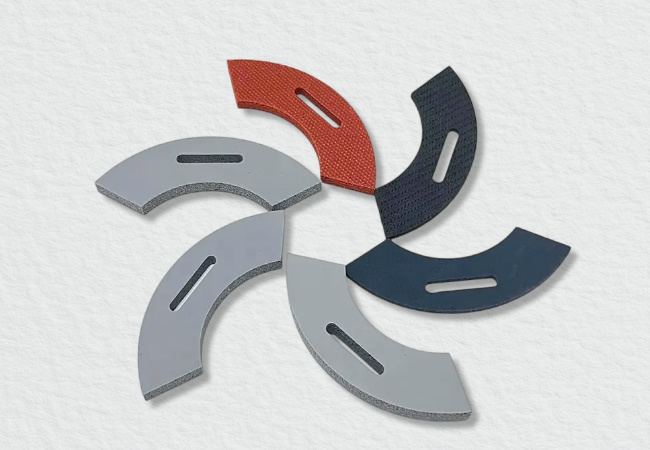
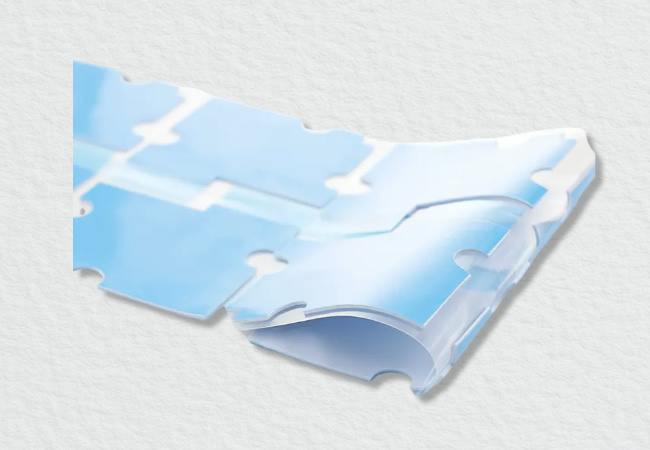
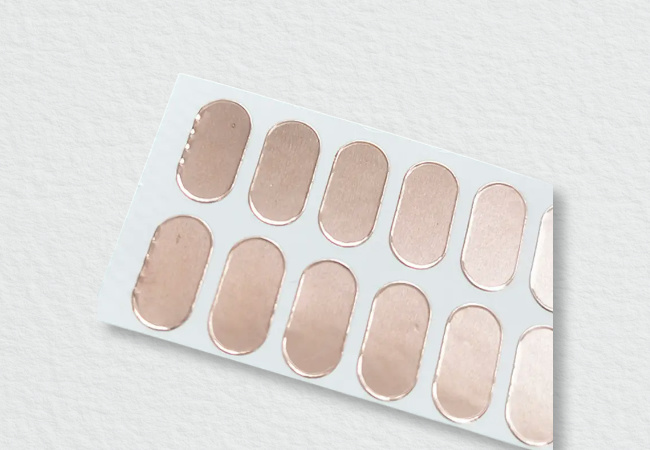
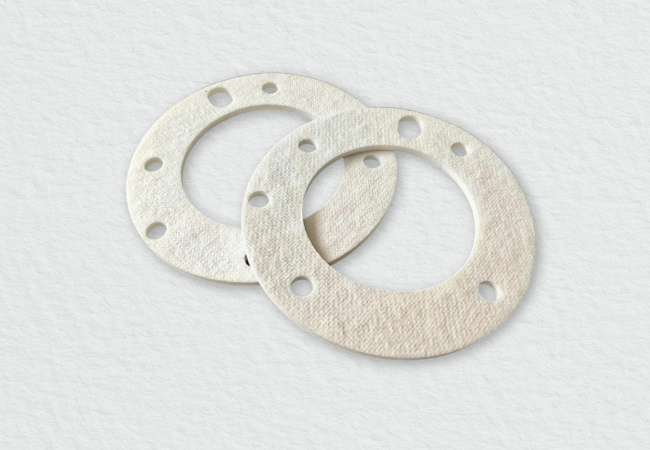
Our Precision Thermal Insulation Solution for EVB
Our Die-Cutting Equipment

Electric vehicle (EV) batteries require advanced thermal insulation solutions to maintain optimal operating temperature, enhance safety, and extend battery lifespan. Our Class 1000 cleanroom production environment ensures that insulation components are manufactured in a controlled atmosphere, preventing contamination that could compromise electrical and thermal performance.

Our automatic roll-to-roll lamination machines are used to precisely apply adhesives onto thermal insulation materials such as aerogel sheets, mica boards, PET films, and silicone foams. This ensures uniform adhesion without air gaps, which is critical in preventing hot spots and ensuring consistent thermal management in high-energy battery modules.

For complex battery pack geometries, our precision die-cutting machines deliver tight tolerances of ±0.01mm, allowing insulation layers to fit perfectly within battery cell compartments. Automated waste removal systems further streamline production, increasing efficiency and consistency—essential for large-scale EV battery manufacturing.
Our Die-Cutting Quality Control

We verify all critical dimensions using 2.5D measuring instruments to ensure insulation layers align perfectly with battery cell enclosures, busbars, and thermal management channels. This dimensional accuracy prevents assembly issues and ensures complete coverage for effective heat shielding.

Cleanroom air quality is continuously monitored using dust particle counters, which is essential for sensitive insulation materials that must remain free from contaminants to retain their dielectric and thermal resistance properties. Binocular microscopes and CCD microscopes allow us to detect even microscopic defects that could compromise thermal performance or electrical insulation.

We perform rigorous mechanical and environmental testing, including peel strength verification for adhesive-backed insulation, thermal cycling simulations in constant temperature and humidity chambers, and electrical resistance measurements for insulating layers. This guarantees that every thermal insulation component can endure real-world EV operating conditions, including rapid charge/discharge cycles and extreme temperatures.
Our Inspection Team

Our inspection team works exclusively within the Class 1000 cleanroom to conduct final verification of every insulation part. From size and shape verification to surface inspection and adhesion testing, each product undergoes a full quality check to ensure it meets strict automotive-grade requirements before shipment.
Our Mold Management

Our in-house mold workshop designs and manufactures custom molds for EV battery insulation components using CAD software, CNC machining, and laser cutting. We maintain and adjust molds regularly to meet evolving EV battery designs, ensuring stable quality and reducing lead times for production.
Our Product Cases

In one project, we produced dust-proof mesh and gasket rings for automotive speakers and microphone systems. While not part of the battery pack, these components play a vital role in the vehicle’s infotainment and communication systems, ensuring durability in challenging environments.

In another case, we manufactured high-density foam gaskets for automotive camera modules used in advanced driver-assistance systems (ADAS). These parts prevent dust ingress and light leakage, enabling precise image capture for safety-critical applications.

A third example involved producing PET and PC protective films for in-vehicle displays and battery insulation barriers. These films were precision die-cut and underwent durability testing to ensure they could withstand temperature changes and vibration without degrading performance.
Contact us to customize your Thermal Insulation Solution for Electric Vehicle Batteries and ensure maximum safety, performance, and durability in your EV applications!
Yes, but it depends on the material.
UL94 V0 is a fire safety standard from the US. If a plastic passes this test, it means it stops burning quickly and doesn’t drip burning material. It’s mostly used to check how safe plastic parts are when they catch fire.
GB 38031, from China, is a safety standard for electric vehicle batteries. It covers fire resistance too, but also checks many other things—like how strong the battery is, and whether it can stop electricity leaks.
If a material passes UL94 V0, it usually has good fire resistance. This may help it pass some fire parts of GB 38031, but it’s not enough on its own. The Chinese standard checks the full battery system, not just the material.
So, a material might meet both, but only after full testing. It’s not automatic.
It depends on the material and the battery design.
When a battery overheats and catches fire (called thermal runaway), special materials are used to slow down the spread of heat and flames. According to China’s GB 38031 standard, the battery system should not catch fire or explode for at least 5 minutes, giving people time to escape safely.
In real-life tests:
Some high-performance materials, like aerogel, can block fire for over 60 minutes.
Others, like intumescent fireproof coatings, can last 30 minutes or more.
But in some extreme cases, like solid-state battery failure, fire can start in just 3 seconds.
So, depending on the material and situation, fire resistance can range from a few minutes to over an hour.
It depends on how badly it’s been affected.
Aerogel is a strong insulating material often used in batteries. But if it comes into contact with electrolyte (the liquid inside batteries), the liquid might damage the aerogel’s structure. This can reduce its ability to block heat or stay strong. In serious cases, it could even make the battery less safe.
Here’s a simple rule:
If the leak is small and the aerogel still works well, you might not need to replace it. Just clean it carefully and make sure it’s dry before reuse.
But if the aerogel looks badly damaged, soft, or loses its shape, it’s safer to replace it.
To prevent future leaks, it’s a good idea to cover the aerogel with a protective layer. This helps keep it clean and working properly for longer.
To check if Mylar film works safely under high voltage (800V or more), we run a few simple tests.
1. High Voltage Test (Dielectric Test):
This checks if Mylar can stop electricity from passing through. We press the Mylar between two metal plates and slowly raise the voltage to 800V. If it doesn’t spark, break, or leak too much current (over 5mA), it passes.
2. Insulation Strength Test:
We measure how much voltage the Mylar can handle before it fails. For example, a 0.25mm thick sheet might resist up to 1350V per mil of thickness. This tells us how strong its insulation is.
3. Heat Test:
We heat the Mylar to 105°C for 30 minutes. After that, we check if it changes shape, shrinks, or cracks. If it looks the same, that’s a good sign.
4. Size Stability Check:
Mylar should keep its size when hot or under pressure. We heat it, then measure it again. If it didn’t change much, it’s stable.
5. Third-Party Testing:
To be extra sure, we can send samples to a certified lab. They’ll test everything with professional tools and give a full report.
So, we test Mylar for safety using electricity, heat, and careful measurements. If it passes, we know it’s safe to use in high-voltage setups.
Keeping batteries safe from overheating while staying lightweight is a big challenge in electric vehicles and aerospace. But engineers have found smart ways to do both:
Use clever new materials:
Aerogels are light like foam and stop heat very well. Some special aerogels can cut temperature by 28°C while adding almost no weight.
Ceramic composites are strong and heat-resistant. When shaped into light patterns like lattices, they protect from heat and carry weight at the same time.
Smarter structure design:
Lattice structures lower the weight but still let us add insulation inside, keeping heat out.
Fireproof coatings on the battery case help stop heat spread, and some coatings reduce weight by more than 60%.
Use smart materials:
Some new materials can switch when heat rises. They go from letting heat through to blocking it completely, stopping damage from spreading.
Real-life use:
In aerospace batteries, light fireproof coatings work well without adding bulk.
In car batteries, aerogels and smart structures lower heat risks while making the battery lighter.
So, it’s not about choosing between safety or lightness — with the right materials and design, we can have both.