

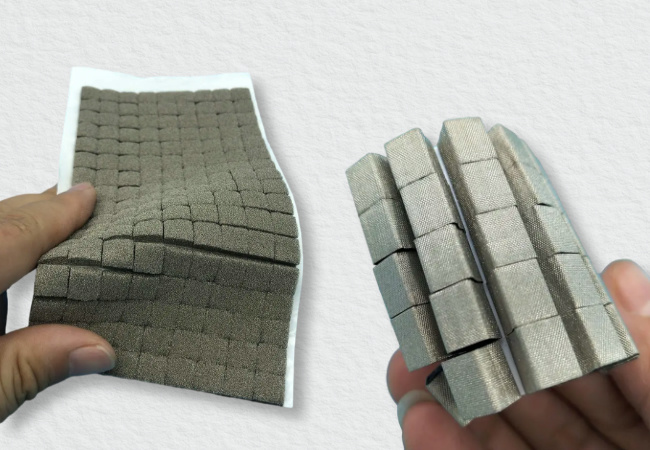
Have you ever thought about how your favorite gadgets stay safe from static shocks or noise? Many people see conductive foam every day but do not notice it.
This material keeps electronics safe, stops static, and blocks bad signals. People use it to stop static, sort parts, pack things, block EMI, and for home projects.
Big industries like aerospace and car makers trust conductive foam because it blocks signals well. It works above 90dB and has surface resistance as low as 0.2Ω/sq.
Conductive foam help make special solutions for many devices and needs.
Key Takeaways
- Conductive foam helps protect electronics. It moves static electricity away. This stops damage to things like computers and chips.
- Using conductive foam keeps parts safe when you store them. It lowers static risks. It also makes it easier to find things.
- Conductive foam cushions electronics when shipping. It absorbs shocks and blocks static. This keeps items safe while they travel.
- This foam blocks electromagnetic interference (EMI). It helps devices work right by stopping bad signals at home and in offices.
- Conductive foam can be used again. It is easy to cut. It works well for DIY projects, like anti-static workspaces and custom touchscreens.
- Picking the right foam thickness and type gives better protection. It works for small chips and big equipment.
- Using foam trays and packaging again helps the planet. It cuts down on waste and saves money.
- Simple tips help with safety and organization. Labeling foam trays and grounding foam mats are good ideas for handling electronics.
Static Protection
Device Safety
Home Electronics
Many people have electronics at home, like computers and smart devices. These items can get damaged if static electricity touches their parts. Conductive foam helps stop this from happening. It can move static charges away in any direction. The foam has low surface resistance, so static can flow through it and leave safely.
Scientists learned that static electricity can hurt electronics. They tried different ways to stop this, like antistatic wrist straps and mats. Their tests showed that antistatic materials, such as conductive foam, protect devices and help them last longer. Many companies use this foam to pack resistors, LEDs, and computer chips. The foam keeps each part in place and stops static from building up.
Office Equipment
Offices have printers, scanners, and computers that need static protection. Conductive foam is used in trays and packaging to keep these devices safe. Some foams, like ESD PE and ESD EVA, are black and have carbon inside. The carbon makes a shield called a Faraday cage. This shield blocks static and electromagnetic fields. The foam’s fillers help move static charges away fast. This keeps office equipment safe from shocks.
Storage Tips
People who store or ship computer parts often use conductive foam. For example, a new graphics card or memory stick comes pressed into black foam. This foam protects the part from bumps and static.
Tip: Always put sensitive electronic parts, like chips or circuit boards, into conductive foam before storing them. Make sure the foam fits the part well. Do not let batteries touch the foam, because it can drain them.
To get the best protection, pick the right thickness and type of foam for each part. Polyurethane and polyethylene foams work well for most things. Keep the foam in a dry place, and check it often to make sure it still works. If the foam looks worn out, replace it to keep your devices safe.
Component Organization
Safe Storage
Chips and Boards
People who work with electronics need to keep small parts safe. Chips and circuit boards can break if they get dropped. Conductive foam holds each part in place. It also stops static electricity from hurting them. Many hobbyists and engineers use foam inserts for storage. These inserts fit inside drawers, boxes, or toolkits.
- Polyurethane and polyethylene foams absorb shocks and stop vibrations. This keeps electronics from getting damaged.
- Antistatic foam solutions stop static electricity from building up. This keeps sensitive parts safe.
- Custom foam inserts hold each device tightly. This makes it easy to find and use later.
- Reusable foam packaging lets people change how they store things as their needs grow.
- Many companies use foam because it is strong and saves money.
The foam’s surface resistance is less than 10^6 ohms per square centimeter. This helps static charges move away safely. People can pick different foam thicknesses for different parts. Thin foam works well for mobile components. Thicker foam protects larger boards.
| Foam Thickness Range (mm) | Typical Applications | Protection Level |
|---|---|---|
| 0.5 – 2.0 | Mobile Components | Standard |
| 2.1 – 5.0 | Circuit Boards | Enhanced |
| 5.1 – 20.0 | Large Electronics | Premium |
| 20.1 – 50.0 | Heavy Equipment | Maximum |
| 50.1 – 100.0 | Custom Solutions | Ultra |
DIY Projects
Many people like building electronics at home. They use conductive foam to keep parts sorted and safe. The foam can be cut to any shape or size. This makes it easy to store resistors, LEDs, and other small items. The foam’s anti-static properties protect even the most delicate pieces.
Reusable Trays
Reusable trays made from conductive foam help people organize their workspaces. These trays do not contaminate or corrode the parts they hold. The foam stays strong even after many uses. Some products, like the MC-3250CTS ESD Tube Filler, last a long time and keep their protective qualities. This reduces waste and saves money.
- Foam trays cushion parts from shocks and bumps.
- Many foams, such as polyethylene and polyurethane, can be recycled or made from renewable sources.
- Reusing trays helps the environment and supports sustainability.
Tip: Label each foam tray with the type of parts it holds. Use a marker or sticker on the side. This makes it easy to find what you need and keeps your workspace neat.
Conductive Foam in Packaging
Shipping Electronics
Cushioning
Electronics can get hurt when shipped from factories to homes. They might get bumped, dropped, or shaken. These things can break small parts inside. Conductive foam acts like a soft wall that takes in shocks. The foam has tiny open spaces that help protect devices during shipping. Clark Foam Products Corp. says their foam is good for both softening bumps and stopping noise. They use it in boxes and covers for electronics. This keeps items safe from hits.
Makers sometimes stick the foam to other layers. This gives even more protection. The foam bends easily to fit around many shapes and sizes. Companies can ask for foam pieces cut just for laptops, phones, or circuit boards. These pieces hold each item tight so it does not move in the box.
Static Shielding
Static electricity can hurt electronics. Conductive foam stops this by moving static away fast. The foam has carbon or metal bits inside. These bits let electricity flow out safely. Ellsworth Adhesives sells packaging with a shiny film and air layers. This setup protects against both bumps and static shocks.
Electronics sellers pick conductive foam because it blocks electromagnetic and radio frequency signals. The foam does two jobs—softening bumps and stopping static. This makes it great for shipping expensive devices. Car and wearable tech companies also use this foam to keep their products safe while moving.
- Conductive foam moves static charges away quickly.
- It fits many shapes and sizes.
- The foam saves money and helps the environment.
Unboxing Experience
Opening a new device is fun. Good packaging makes it even better. Conductive foam keeps the product safe and makes unboxing easy. Custom foam pieces hold each part in place. Nothing shakes or gets lost. The foam looks clean and feels soft. This shows the company cares about quality.
Tip: Keep the foam pieces from your electronics boxes. Use them again when sending things back or storing devices at home. This helps cut down on waste and keeps your electronics safe longer.
Some people use extra foam trays to sort cables, chargers, or small gadgets. The foam lasts a long time and keeps protecting things after many uses.
| Benefit | Description |
|---|---|
| Shock Absorption | Keeps devices safe from bumps and drops |
| Static Protection | Blocks static electricity and EMI/RFI |
| Custom Fit | Holds items tightly in place |
| Reusability | Can be used again for storage or returns |
EMI Shielding
Electronics at home and work can have problems from electromagnetic interference, or EMI. EMI can make devices act strange or stop working. Conductive foam helps block these signals. Makers sometimes add copper or nickel to the foam. This makes the foam better at stopping EMI.
Gaskets and Barriers

Home Devices
Many things at home, like Wi-Fi routers and TVs, need EMI protection. Conductive foam acts like a wall inside these devices. It fits into small spaces and blocks bad signals. Some foams have carbon nanotubes or graphene. These make the foam strong and good at conducting. Studies show that mixing conductive and magnetic fillers helps block EMI even more. The foam soaks up and stops signals, so devices stay safe.
Office Setups
Offices have lots of electronics close together. Computers and printers can mess with each other. Conductive foam gaskets and barriers help stop this. The foam can be cut to fit around connectors and panels. It fills gaps and keeps EMI from getting in or out. The foam bends and squishes to fit many shapes. Companies use it in I/O panels and display gaskets. The foam is also safe because it meets fire safety rules.
| Feature/Property | Description |
|---|---|
| Conductivity | Conducts electricity in all directions for strong EMI shielding. |
| Customization | Can be cut and shaped for different devices and panels. |
| Flame Retardancy | Meets safety standards like UL94 V0. |
| Applications | Used in home electronics, office equipment, and more. |
| Additional Benefits | Provides dust sealing and can include conductive adhesive. |
Low-Cycling Applications
Some electronics do not move much when used. These are called low-cycling applications. Conductive foam works well here because it keeps its shape and works after many uses. Tests show the foam can stretch a lot and still work. It keeps low resistance and blocks EMI even after bending. For example, foam with holes and special fillers can block over 50 dB of EMI. This makes it great for connectors and panels that do not move often.
| Parameter | Value/Range | Relevance to Low-Cycling Applications |
|---|---|---|
| Electrical Sheet Resistance | 10¹–10² Ω/sq | Stays low under strain |
| Maximum Strain Tested | Up to 500% | Durable under stretching |
| Number of Stretch Cycles | 50 cycles | Keeps performance after repeated use |
| EMI Shielding Effectiveness | 50.12 dB | Excellent at blocking EMI |
| Structure | Porous foam | High conductivity and flexibility |
Tip: If a device at home loses signal or makes buzzing sounds, EMI might be the reason. Try moving it away from other electronics or use shielding to see if it gets better.
DIY and Touch Interfaces
Home Projects
Anti-Static Workspaces
Lots of people fix or build electronics at home. They need to keep their work areas safe from static electricity. Static can break small parts like chips and sensors. Many people use special mats or pads for safety. Conductive foam is great for this job. It moves static charges away from important parts fast. The foam acts like a shield, similar to a Faraday cage. This helps stop damage from static.
The table below shows how different foams protect electronics in home projects:
| Foam Type | Material Composition | Surface Resistance (Ohms) | Key Benefits |
|---|---|---|---|
| Conductive Foam | Polyurethane or polyethylene with fillers | 10³ – 10⁵ | Fast charge removal, reusable, strong protection |
| Anti-Static Foam | Polyurethane, polyethylene, or EVA | 10⁶ – 10¹¹ | Slower charge removal, often pink, not reusable |
| Static Dissipative Foam | Carbon-impregnated, black or pink | 10⁵ – 10⁹ | Controls charge flow, protects stored materials |
People pick conductive foam for homemade anti-static workspaces. It has the lowest surface resistance. This means it moves static away faster than other foams. It also lasts longer and can be used again and again.
Custom Pads
Some hobbyists cut foam into special shapes for their tools. These pads keep parts safe while working. The foam is easy to cut with scissors or a craft knife. People put these pads under circuit boards or inside toolboxes. This keeps things neat and safe from static.
Homemade conductive foam is possible, but it may not work as well as store-bought foam. Some people try to make their own by adding graphite or metal powder to regular foam. Homemade foam might not spread electricity evenly or give strong protection. Commercial conductive foam uses special fillers and careful making to keep things safe.
Tip: To make a simple portable anti-static mat, put a sheet of conductive foam on your table. Attach a wire from the foam to a metal part of your home’s ground, like a screw on an outlet cover. This setup helps protect your electronics during repairs.
Touchscreen Uses
Touchscreens need materials that can carry a small electric charge. Some people use pieces of conductive foam instead of their finger on touch panels. This works because the foam can carry electricity and trigger the screen. Makers and students use this trick when building custom touch devices or testing screens.
Conductive foam is soft and bends easily, so it does not scratch glass. It works for stylus projects or homemade game controllers too. But homemade foam may not always work well for touchscreens. Store-bought foam gives better results because it spreads electricity more evenly.
The table below compares foam types for touch and workspace uses:
| Foam Type | Description | Surface Resistance (Ohms) | Benefits and Usage Notes |
|---|---|---|---|
| Conductive Foam | Polyethylene with carbon, black color | <10⁶ | Blocks EMI, reusable, good for touch projects |
| Anti-Static Foam | Pink, chemically treated | 10⁹ – 10¹² | Prevents static, not always good for touch |
| Static Dissipative Foam | Carbon-impregnated, black or pink | 10⁵ – 10⁹ | Controls charge flow, sometimes works for touch |
People who use conductive foam in DIY and touch projects find it useful for both safety and creativity.
People use conductive foam in many ways every day. It helps protect electronics from damage. It also keeps parts organized and safe during shipping. Conductive foam blocks EMI and is great for home projects. This material makes gadgets last longer. You can reuse foam from old boxes or buy new foam at stores. Try using it for your own devices or fun projects.
Do you have a story or question about conductive foam? Share it in the comments below!
FAQ
What is conductive foam made of?
Manufacturers use polyurethane or polyethylene to make conductive foam. They mix in carbon, copper, or nickel particles. These fillers let the foam carry electricity and stop static.
Can conductive foam be recycled?
Some conductive foam types can go to recycling centers. Polyethylene-based foams are often accepted. Always check your local recycling rules before throwing it away.
Is conductive foam safe to touch?
Yes, people can touch conductive foam safely. It does not have any harmful chemicals. Do not let batteries touch the foam, because it could drain them.
How does conductive foam protect electronics?
Conductive foam moves static away from sensitive parts. It also cushions devices from bumps and drops. This helps electronics last longer.
Where can someone buy conductive foam?
People can buy conductive foam at electronics stores or online. Specialty packaging suppliers also sell it. Some stores have small sheets for hobby projects.
Can conductive foam block electromagnetic interference (EMI)?
Yes, conductive foam blocks EMI. The metal fillers inside absorb and reflect signals. This keeps devices working without problems.
How should someone store conductive foam?
Keep conductive foam in a cool, dry place. Do not put it in direct sunlight. Check the foam for damage before using it again.
What is the difference between conductive foam and anti-static foam?
| Feature | Conductive Foam | Anti-Static Foam |
|---|---|---|
| Surface Resistance | Lower (<10⁶ Ω/sq) | Higher (10⁶–10¹¹ Ω/sq) |
| Reusability | High | Often single-use |
| Main Use | Blocks static and EMI | Prevents static only |