

PCB shielding gaskets are small barriers that stop unwanted electrical noise. They keep important parts safe from electromagnetic interference and radio frequency interference. These gaskets help devices work well and follow safety rules. Many new electronics, like smartphones and car systems, use them. This is because they are tiny and work with surface-mount technology.
The market for electromagnetic shielding, like PCB shielding gaskets, will grow from $7.43 billion in 2023 to $12.15 billion by 2032. This happens because people want smaller and stronger devices.
Key Takeaways
- PCB shielding gaskets stop bad electrical noise. They keep devices safe from interference. They come in types like fabric-over-foam, metal finger stock, and elastomeric. Each type works best for certain jobs. Picking the right gasket depends on material, size, and environment. It also depends on how the device moves or opens. These gaskets help devices work well by keeping signals clear. They stop mistakes from happening. Using shielding gaskets helps devices pass safety tests. They also help meet important rules. They save money by using less material. They make assembly faster and lower repair needs. Installing them right and testing often makes sure they work. Good care keeps gaskets working and helps devices last longer.
PCB Shielding Gaskets
Definition
PCB Shielding Gaskets are special connectors. They are made from electric elastomers or metals. These gaskets fit between parts on a printed circuit board. They block unwanted signals like electromagnetic interference and radio frequency interference. Many engineers pick them because they work well with surface-mount technology. Machines can put them right onto circuit boards during assembly. Their small size makes them great for modern electronics. This is helpful when there is not much space.
PCB Shielding Gaskets protect sensitive circuits from outside noise. They help devices work well and stay safe.
Core Function
PCB Shielding Gaskets stop EMI and RFI from getting in or out of a device. They fill gaps and seams in electronic enclosures. When placed between metal covers or around connectors, they make a path for electricity. This path blocks harmful signals and keeps the device safe. Engineers use beryllium copper, conductive elastomers, and wire mesh to make these gaskets. Each material gives good conductivity, strength, and can handle tough environments.
PCB Shielding Gaskets also help make a Faraday Cage. This is a shield that surrounds important parts and blocks outside interference. By sealing gaps and making sure all parts touch, the gaskets keep the shield strong. This is important for devices that must follow strict safety and performance rules.
Applications

PCB Shielding Gaskets are used in many electronics. They fill small spaces between covers, connectors, and circuit boards. Some common uses are:
- Smartphones and tablets
- Automotive electronics like advanced driver-assistance systems
- Medical devices
- Industrial control systems
- Consumer electronics such as laptops and gaming consoles
More devices need strong protection in smaller spaces, so the demand for PCB Shielding Gaskets is growing. The automotive sector uses these gaskets more as cars get new features and electric systems.
| Indicator/Aspect | Details/Statistics |
|---|---|
| Projected CAGR (2025-2032) | 5.9% CAGR shows steady and strong market growth |
| Market Size Projection | Expected to reach almost $3 billion in five years |
| Key Industry Players | Gore, E-SONG EMC Co., Ltd., Singleton Group, Konlida, Nolato, and others |
| Company Revenue Examples | Gore: about $3 billion, E-SONG EMC: about $150 million, Singleton Group: about $120 million |
| Growth Drivers | New technology, smaller parts, and strict electromagnetic rules |
| Preferred Product Type | Gold plated PI gaskets are most popular for their corrosion resistance and electrical conductivity |
| Fastest Growing Application | Automotive electronics, driven by ADAS and electric vehicle needs |
| Market Trends | More demand in automotive, consumer, and industrial electronics; focus on eco-friendly materials and new ideas |
PCB Shielding Gaskets are important for board-level shielding. They help electronic devices meet industry standards for EMI protection. By filling gaps and sealing enclosures, they help keep devices reliable and safe in many areas.
How They Work
Materials
PCB shielding gaskets use different materials to stop unwanted signals. These materials help protect important circuits. Each type of material has special features. These features help the gasket work well in many places.
Conductive Elastomers
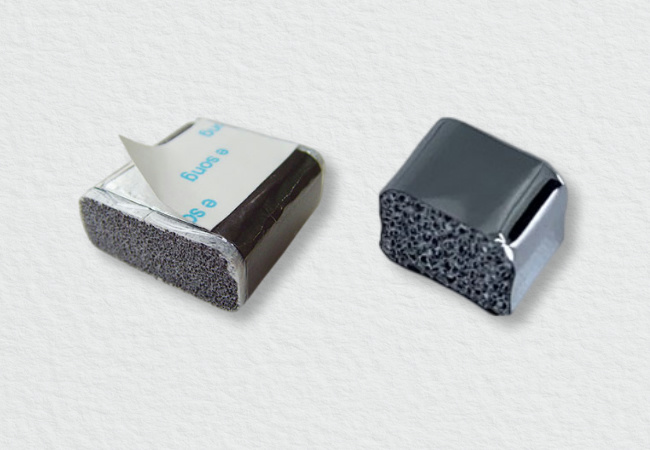
Conductive elastomers are stretchy like rubber and have metal bits. These gaskets fit tightly between two surfaces. They make a strong shield. Many engineers pick conductive silicone foam. It has very low surface resistance, as low as 0.03 ohms per square. This material can squish up to 40% and bounce back to 92% of its shape. It does not rust and passes salt spray tests. This means it is tough against corrosion. Conductive elastomers can handle very hot and cold temperatures, from -40°C to 280°C. They can also take short bursts up to 300°C. These features make them good for surface-mount technology and reflow soldering.
Metal Foils
Metal foil gaskets use thin copper or aluminum layers. These metals let electricity flow very well. Makers often add a foam core, like silicone or polyurethane, for softness. This helps the gasket stay in contact even if things move or shake. Metal foils do not rust and follow rules like RoHS. Their design helps them last a long time in hard places.
Foam-Based Gaskets

Foam-based gaskets use conductive foam or fabric. These materials are bendy and light. Some foam gaskets have a fabric layer for extra shielding. The foam lets the gasket squish and fill tiny spaces. Many foam gaskets use sticky adhesives. These adhesives help the gasket stick and also carry electricity. This keeps the gasket in place and keeps the shield strong.
Many PCB shielding gaskets use materials like nickel silver, stainless steel, tinplate, conductive silicone foam, copper or aluminum foil, conductive fabric, and conductive adhesives. These materials give strong shielding, high stretchiness, and can handle tough places.
EMI/RFI Blocking

PCB shielding gaskets stop EMI and RFI by making a barrier. This barrier goes around important parts. The gasket fills spaces where signals could get in or out. When the gasket touches both sides, it makes a path for electricity. This path sends bad signals away from the protected area. Devices like smartphones, medical tools, and car systems need this barrier. It keeps their signals clean and steady.
Grounding and Sealing
Grounding is an important job for PCB shielding gaskets. The gasket links metal parts to a common ground. This helps remove extra electrical currents. By grounding the case, the gasket stops static electricity from building up. This lowers the chance of interference. Sealing is also important. The gasket keeps out dust, water, and other things that could hurt the device. Many gaskets use flame-safe and halogen-free materials. These materials make devices safer and follow environmental rules. These features help devices last longer and work well in hard places.
Types

Fabric-Over-Foam
Fabric-over-foam gaskets have a soft foam center. This center is covered with a thin, conductive fabric. The foam lets the gasket bend and squeeze easily. The fabric blocks electromagnetic and radio frequency interference. Many engineers like this type because it is light and simple to use. These gaskets fit well in small, tight spots. They are great for things that open and close a lot, like battery covers. The fabric is tough and does not wear out fast. This helps the gasket last longer. Some fabric-over-foam gaskets have sticky backs. This sticky part keeps them in place during assembly.
Tip: Fabric-over-foam gaskets come in many shapes and sizes. This makes them good for custom designs.
Metal Finger Stock
Metal finger stock gaskets use thin metal strips shaped like fingers. These fingers press on surfaces to make a strong electrical link. Most finger stock gaskets use beryllium copper or stainless steel. These metals let electricity flow well and do not rust. Metal finger stock works well for doors and lids that move. The fingers bend and spring back after use. This keeps the gasket touching both sides every time. This type can block high-frequency signals and gives strong shielding. Many engineers use finger stock in military, aerospace, and telecom gear.
- Key Features:
- Very tough and lasts long
- Great at carrying electricity
- Works well with parts that move a lot
Elastomeric
Elastomeric gaskets use rubber-like stuff mixed with tiny metal bits. These gaskets can stretch and squeeze without breaking. The metal bits, like silver, nickel, or carbon, block unwanted signals. Elastomeric gaskets keep out dust, water, and other bad things. They work well in rough places, like cars or outdoor electronics. Many elastomeric gaskets pass strict safety and environmental tests. Their bendy shape helps them fit into small or odd spaces.
Note: Elastomeric gaskets often pass fire and chemical safety tests. This makes them safe for many jobs.
| Type | Main Material | Best Use Case | Key Benefit |
|---|---|---|---|
| Fabric-Over-Foam | Foam + Conductive Fabric | Tight spaces, custom shapes | Flexible and lightweight |
| Metal Finger Stock | Beryllium Copper/Steel | Moving parts, high frequency | Durable, strong shielding |
| Elastomeric | Conductive Elastomer | Harsh environments | Seals and protects |
Each kind of PCB shielding gasket has its own strengths. Engineers pick the best type for the device and where it will be used.
Miniature and V-Shape
Miniature and V-shape PCB shielding gaskets protect small or oddly shaped devices. These gaskets fit in places where other types cannot go. Engineers use them when there is not much space for extra parts but strong shielding is needed.
Miniature gaskets are very tiny. They are only a few millimeters wide. Their small size lets them fit between packed parts on a circuit board. Many smartphones, hearing aids, and wearables use miniature gaskets. These devices need strong EMI and RFI protection but have little room inside. Miniature gaskets also help in crowded circuit boards where space is tight.
V-shape gaskets have a special “V” design. The gasket bends like the letter “V.” This shape lets it open and close like a spring. When pressed between two surfaces, the V-shape makes a tight seal. The gasket pushes back to keep a strong electrical link. This design works well for doors, lids, or covers that open and close a lot. The V-shape helps the gasket stay in place even if things move or shake.
Note: V-shape gaskets are often made from beryllium copper or stainless steel. These metals do not rust and keep their shape after many uses.
Engineers pick miniature and V-shape gaskets for many reasons:
- Space-saving: Miniature gaskets fit in tiny places.
- Flexibility: V-shape gaskets can handle lots of movement.
- Strong Shielding: Both types block EMI and RFI well.
- Durability: Good materials help these gaskets last long.
| Gasket Type | Best Use Case | Key Feature |
|---|---|---|
| Miniature | Small devices, tight spaces | Fits in tiny gaps |
| V-Shape | Moving parts, covers | Springs back after closing |
Many new devices need these special gaskets. For example, smartwatches use miniature gaskets to protect their small circuits. Car key fobs and medical implants use them too. V-shape gaskets are found in laptops, routers, and other gear with doors or panels.
Engineers choose these gaskets when they need strong protection and a small size. The right gasket helps devices pass safety tests and work well every day. Miniature and V-shape gaskets show how smart ideas can fix hard problems in electronics.
Selection
Material Choice
Engineers pick gasket materials by how well they block signals. The material must make a strong barrier to stop electromagnetic interference. Some gaskets use metals like beryllium copper or stainless steel. Others use conductive elastomers or fabric. Each material has its own good points.
- Conductive elastomers bend easily and do not rust.
- Metal gaskets are strong and let electricity flow well.
- Fabric-over-foam gaskets are light and fit in small spaces.
It is important that the gasket and the surfaces both conduct electricity. Low resistance between the gasket and flange helps block signals better. If the surfaces do not match, rust can form. Rust makes the shield weaker. Engineers also check if the gasket reacts with things around it. For example, some metals rust when they get wet. Plating or coatings can help stop this.
Tip: Gaskets work best when they fit well and conduct electricity. Always pick the right material for the device and where it will be used.
Size and Compression
The size and how much a gasket can squish are important. The outside size shows how much pressure it can take. Bigger gaskets can handle more pressure. How thick the gasket is also matters. Thin gaskets can take more squeezing but need smooth surfaces. Engineers often pick a gasket four times thicker than the roughness of the flange.
- Squeezing the gasket keeps it touching both sides.
- Good squeezing stops signals from leaking out.
- Too much squeezing can break the gasket or the device.
In places that shake a lot, a thicker gasket works better. It can move and still keep a good seal. The finish on the gasket and flange is important too. If it is too smooth, the gasket might slip. If it is too rough, the seal might not hold.
Environmental Factors
Where the device is used helps decide which gasket to use. Engineers look at heat, water, and chemicals. Some gaskets must work in very hot or cold places. Others need to keep out water, dust, or chemicals.
Rust is a big problem. When two different metals touch and get wet, rust can start. Rules like MIL-STD-1250 limit the voltage difference between metals to stop this. For most uses, the voltage difference should be less than 0.5 to 0.6 volts. Plating or coatings help stop rust.
Shaking and moving also matter when picking a gasket. In devices that move, the gasket must stay in place and keep sealing. Engineers use fasteners about 25 mm (1 inch) apart to keep the gasket tight and working. Strong materials like beryllium copper can take a lot of stress and last longer in hard places.
Note: Always think about where the device will be used. The right gasket material and size help the device last longer and work better.
Application Fit
Engineers need to check if the PCB shielding gasket fits the device and its job. The right fit helps the device work well and follow safety rules. Every device is different. Some need small gaskets for tiny spaces. Others need strong gaskets for tough places.
Key factors for application fit:
Device Size and Shape:
Small things like smartwatches or hearing aids need tiny gaskets. Big machines or control panels need larger gaskets. The gasket should match the space it fills.Mounting Method:
Some gaskets work with surface-mount technology. Others need to be pressed or glued in place. Engineers pick the type that matches how the device is built.Movement and Access:
Devices with doors or covers, like laptops or routers, need gaskets that can handle opening and closing. V-shape or finger stock gaskets are good for this. They spring back and keep a tight seal.Shielding Level Needed:
Some devices need very strong EMI and RFI protection. Medical tools and car systems often need the most shielding. Engineers use thicker or more conductive gaskets for these.Regulatory Compliance:
Many devices must pass tests for EMI and RFI. These tests check if the device follows rules like FCC or CE. The gasket must help the device pass these tests.
Tip: Always check what the device needs before picking a gasket. The wrong fit can let signals leak or make the device fail.
Common Application Matches:
| Device Type | Best Gasket Type | Reason for Fit |
|---|---|---|
| Smartphones | Miniature, SMT | Fits tight spaces, easy to assemble |
| Laptops/Routers | V-shape, Finger Stock | Handles movement, strong seal |
| Medical Devices | Elastomeric, Custom | High shielding, safe materials |
| Automotive Electronics | Metal Foil, Elastomeric | Tough, resists heat and vibration |
| Wearables | Fabric-Over-Foam | Light, flexible, fits small gaps |
Engineers also think about how easy it is to put in the gasket. Some gaskets have sticky backs. These are easy to place and stay put during assembly. Others need screws or clips. The right choice saves time and lowers mistakes.
A good fit means the gasket works without causing problems. It keeps the device safe, helps it pass tests, and makes it last longer. Picking the right gasket is important for building strong, safe electronics.
Benefits
Device Reliability
PCB shielding gaskets help devices work well every day. They protect important circuits from outside noise. If EMI or RFI gets in, parts might not work right. Shielding gaskets stop these bad signals. This keeps devices from resetting or losing data. It also helps stop damage that cannot be fixed.
Engineers use shielding gaskets in phones, medical tools, and cars. These things must work all the time. Even a small problem can be serious. For example, a car’s safety system must act fast. If EMI gets inside, it might not work right. Shielding gaskets help keep these systems safe and working.
Tip: Devices with shielding gaskets often last longer and break less.
Signal Integrity
Signal integrity means signals stay clear and strong. PCB shielding gaskets help keep signals from mixing with noise. If signals mix, devices can have errors or lose data. This is a big problem for computers, radios, and medical monitors.
Shielding gaskets fill spaces in the device’s case. They stop outside signals from getting in. They also stop inside signals from leaking out. This keeps the device’s signals clean. Engineers test devices with and without gaskets. Devices with gaskets have fewer errors and work better.
A table below shows how shielding gaskets help with signal integrity:
| Problem Without Gasket | Result | With Gasket | Result |
|---|---|---|---|
| EMI enters device | Signal errors | EMI blocked | Clear signals |
| RFI leaks out | Fails compliance test | RFI contained | Passes compliance |
| Signals mix | Data loss | Signals protected | Reliable data |
Compliance
Many places have rules about EMI and RFI. These rules help keep devices safe and working near each other. PCB shielding gaskets help devices follow these rules. When a device passes tests, it can be sold in more places.
Engineers use shielding gaskets to help pass tests from groups like the FCC or CE. These tests check if a device stays under set EMI and RFI limits. If a device fails, it cannot be sold until it passes. Shielding gaskets help devices pass the first time.
Note: The right gasket saves time and money during testing. Devices that pass early do not need extra changes or tests.
Cost-effectiveness also matters when choosing shielding gaskets. Here are some ways they help save money:
- Using RF shielding early lowers EMI costs and stops expensive fixes later.
- Standard or slightly changed gaskets cost less than custom ones.
- Buying a lot at once gives better prices and helps plan making them.
- Making many at once lowers the price for each part, even for custom gaskets.
- Picking common materials and finishes saves money because they are used more.
- Bigger gaskets can mean less need for tight fits, which lowers case costs.
- Good design and putting them in right lowers the chance of fixing or device problems.
- Working with skilled shielding makers early helps balance cost and how well it works.
PCB shielding gaskets do more than block noise. They help devices last longer, work better, and follow important rules. This makes them a smart pick for any modern electronic product.
Cost-Effectiveness
PCB shielding gaskets give good value to engineers and makers. They help save money during every step of making a product. These gaskets do more than just block interference. They also help companies spend less on design, building, and fixing devices.
Most engineers pick standard gasket sizes and materials. Standard parts are cheaper than custom ones. When companies buy a lot, each gasket costs even less. This helps keep the whole project cost down. Using common materials like conductive foam or beryllium copper saves money too. These materials are easy to get and work in many devices.
Tip: Planning early with gasket suppliers can stop costly changes later.
A good PCB shielding gasket can mean you do not need extra shields. Instead of using thick metal covers, engineers use thin gaskets to fill spaces. This makes the device lighter and cheaper to make. It also means less waste from extra materials.
Here are some ways PCB shielding gaskets help save money:
- Lower Material Costs: Gaskets use less metal than big shields.
- Faster Assembly: Many gaskets work with surface-mount technology. Machines put them on fast, which saves work time.
- Fewer Design Changes: Good gaskets help devices pass EMI tests the first try. This stops expensive redesigns.
- Longer Device Life: Gaskets keep out dust and water. Devices last longer, so companies fix them less.
- Bulk Discounts: Buying lots of gaskets at once makes each one cheaper.
The table below shows how PCB shielding gaskets compare to other ways to shield:
| Shielding Method | Material Cost | Assembly Time | Weight | Flexibility | Maintenance Cost |
|---|---|---|---|---|---|
| PCB Shielding Gasket | Low | Fast | Light | High | Low |
| Metal Shield Can | High | Slow | Heavy | Low | Medium |
| Coating/Spray | Medium | Medium | Light | Medium | High |
Companies also save money by lowering the chance of failing EMI or RFI tests. If a device fails, it might need new parts or more testing. This can slow down product launches and cost more money. Using the right gasket from the start helps products pass tests and get to market faster.
Note: Saving money on shielding does not mean weaker protection. The right gasket gives strong shielding and helps devices last longer.
PCB shielding gaskets give strong performance and smart savings. They help companies make better products without spending too much. This makes them a smart pick for today’s electronics.
Challenges
Installation
Engineers have some problems when putting in PCB shielding gaskets. How they put the gasket in can change how well it blocks bad signals. If the gasket is not pressed enough, it might not touch both sides. This can let electromagnetic interference get through the crack. If screws or clamps are too far apart, the gasket can bend or lose contact. This makes the shield much weaker, even if the gasket is very good.
The way the seam is made is important. Compression seams need screws or clamps close together. Even pressure keeps the gasket flat and working right. Shear seams slide and often use metal finger gaskets. These can work without screws but need careful planning. Welding or soldering seams block signals best but are hard to fix later. Most engineers use RF gasket materials so they can fix things if needed.
Tip: Always check how thick the gasket is and how hard it is pressed before putting it in. This stops leaks and keeps the shield strong.
Performance Testing
Testing PCB shielding gaskets is very important. Engineers must make sure the gasket blocks enough EMI and RFI. They use special tools to see how much noise gets through. If the gasket is not put in right, tests will show weak spots. These weak spots can make the device fail safety tests.
Some tests use 3D cameras or X-rays to look for mistakes. These tools help find problems with where the gasket is or with soldering. Engineers also look for gaps, things not lined up, or dirt. They fix these problems before the device leaves the factory. Testing often helps find problems early and saves time and money.
A simple checklist for testing:
- Look at where the gasket is and if it is lined up
- Measure how hard the gasket is pressed
- Check for cracks or bending
- Test if electricity can flow through
- Run tests to see how well it blocks EMI and RFI
Maintenance
Taking care of PCB shielding gaskets helps them last longer. Devices may need fixing or new parts. Engineers must take out and put back gaskets without breaking them. Some gaskets lose their shape after being used many times. Others can rust if they get wet or touch chemicals.
Checking gaskets often helps find ones that are worn out or broken. Engineers look for rust, cracks, or if the gasket is not springy. They change gaskets that do not seal well anymore. Picking the right materials helps gaskets last longer. Beryllium copper and stainless steel do not rust and keep their shape.
Note: Good care helps devices last longer and keeps the shield strong. Always follow the maker’s rules for checking and changing gaskets.
PCB Shielding Gaskets are very important for keeping electronics safe from EMI and RFI. They help devices work well, follow safety rules, and last a long time. The table below shows how many things use them and why they are helpful:
| Aspect | Details & Benefits |
|---|---|
| Applications | Cars, robots, medical tools, planes, smartphones |
| Key Functions | EMI shielding, grounding, vibration damping, SMT compatibility |
| Material Properties | Conductivity, corrosion resistance, flexibility, heat tolerance |
| Reliability Factors | Durability, cost-effectiveness, high performance in tough places |
Engineers get the best results when they pick the right gasket and design it well.
FAQ
What is a PCB shielding gasket?
A PCB shielding gasket is a tiny part. It blocks unwanted electrical signals. It goes between parts on a circuit board. This keeps the device safe from electromagnetic and radio frequency interference.
Why do electronics need shielding gaskets?
Electronics need shielding gaskets to stop outside noise. This noise can cause problems for devices. The gaskets help devices work better and last longer. They also help products pass safety and performance tests.
How does a shielding gasket work?
A shielding gasket fills spaces between metal parts. It makes a path for electricity to flow. This path blocks bad signals. It helps keep the device safe from interference.
What materials do manufacturers use for PCB shielding gaskets?
Manufacturers use beryllium copper, stainless steel, and conductive elastomers. They also use fabric-over-foam. Each material has its own benefits. Some are flexible, strong, or do not rust.
Can you reuse a PCB shielding gasket?
Some gaskets can be used again if they are still good. Others may lose their spring or get damaged when removed. Always check the gasket before using it again.
Where do engineers use PCB shielding gaskets?
Engineers use these gaskets in smartphones, cars, and medical devices. They also use them in computers. Any device that needs protection from electrical noise can use a shielding gasket.
How do you choose the right gasket for a device?
Engineers look at the size of the device and the space inside. They check how much protection is needed. They also think about heat or moisture before picking a gasket.
Do shielding gaskets help with water or dust protection?
Yes, many shielding gaskets also keep out water and dust. This helps keep the inside of the device clean and safe.