

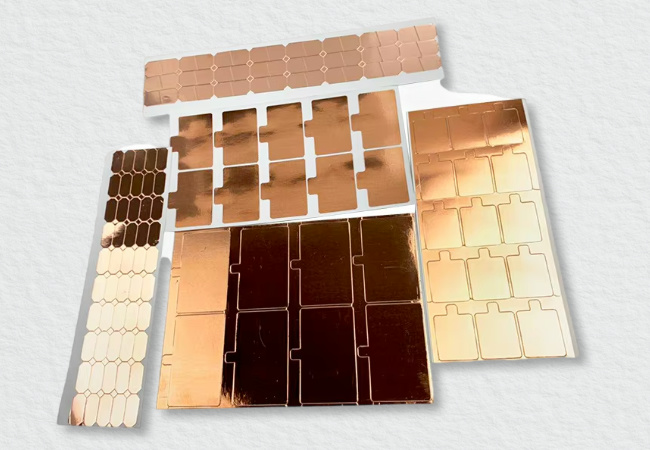
In today’s interconnected world, electronic devices are everywhere, from smartphones and laptops to medical equipment and autonomous vehicles. However, these devices face a hidden threat: radio frequency interference (RFI). RFI can disrupt the performance of sensitive electronics, leading to malfunctions or data errors. RFI shielding tape offers a practical and effective solution to this problem. This article explores what RFI shielding tape is, how it works, its applications, benefits, and why it is a critical component in modern industries. For those seeking custom solutions, Die cutting RFI Shielding Tape provides tailored options to meet specific needs.
What is RFI Shielding Tape?
RFI shielding tape is a specialized adhesive tape designed to block or reduce radio frequency interference, a type of electromagnetic interference (EMI) that occurs within the radio frequency spectrum (3 kHz to 300 GHz). It typically consists of a conductive backing material, such as copper, aluminum, or metallized fabric, paired with a conductive or non-conductive adhesive. These tapes are engineered to absorb, reflect, or redirect RF signals, preventing them from interfering with sensitive electronic components.
The construction of RFI shielding tape varies depending on its intended use. Common types include smooth copper foil with conductive adhesive for high conductivity, embossed foil for improved flexibility, or conductive fabric tapes for lightweight applications. Some tapes feature corrosion-resistant coatings, such as tin-plated copper, to ensure durability in harsh environments. According to 3M technical guide on EMI shielding, these tapes are designed to meet strict industry standards like RoHS, ensuring environmental compliance.
How RFI Shielding Tape Functions
RFI shielding tape works by creating a barrier that prevents unwanted radio frequency signals from penetrating electronic devices. RFI, a subset of EMI, can disrupt signals in devices like smartphones, medical monitors, or avionics systems. The tape’s conductive materials, such as copper or aluminum, reflect or absorb these signals, while the adhesive ensures a secure bond to surfaces like circuit boards or enclosures.
The effectiveness of RFI shielding tape is measured in decibels (dB), with higher values indicating better shielding. For example, a tape with a shielding effectiveness of 69 dB at 100 MHz significantly reduces signal strength. The formula for shielding effectiveness is SE = 20log(E1/E2), where E1 is the signal strength without the tape and E2 is with the tape, as explained by Modus Advanced. The tape also aids in grounding and static charge dissipation, reducing the risk of static buildup that could damage components.
Compared to other shielding methods, such as metal enclosures or EMI gaskets, RFI shielding tape offers unique advantages. The table below compares these methods:
Method | Cost | Ease of Application | Flexibility | Typical Use Case |
|---|---|---|---|---|
RFI Shielding Tape | Low | High | High | Circuit boards, cables, small gaps |
EMI Gaskets | Moderate | Moderate | Moderate | Enclosures, connectors |
Metal Enclosures | High | Low | Low | Large equipment, shielded rooms |
This table highlights the tape’s cost-effectiveness and ease of use, making it ideal for applications requiring precision and flexibility.
Applications of RFI Shielding Tape
RFI shielding tape is used across a wide range of industries to protect electronic devices from interference. Its versatility makes it a go-to solution for both prototyping and large-scale production. Below are key applications:
Telecommunications: RFI shielding tape is critical in 5G base stations and servers, where it prevents external signals from disrupting high-speed data transmission. According to Raybloc, this ensures reliable communication networks.
Automotive: In modern vehicles, especially autonomous ones, RFI shielding tape protects sensors, control units, and infotainment systems from interference, improving safety and performance.
Aerospace and Defense: Avionics and military communication systems rely on RFI shielding tape to maintain signal integrity in mission-critical environments, as noted by Military Aerospace.
Medical Devices: Equipment like MRI machines and patient monitors use RFI shielding tape to ensure accurate readings by blocking external signals.
Consumer Electronics: Smartphones, laptops, and wearables incorporate RFI shielding tape to protect delicate components in compact designs.
Electronics Assembly: The tape is applied to circuit boards to shield high-frequency signals in WiFi, cellular, and RFID devices.
Shielded Rooms: RFI shielding tape seals gaps in shielded enclosures, preventing signal leakage in sensitive environments.
These applications demonstrate the tape’s critical role in ensuring device reliability across industries.
Benefits of RFI Shielding Tape
RFI shielding tape offers several advantages that make it a preferred choice for engineers and manufacturers:
Cost-Effectiveness: Compared to metal enclosures or custom gaskets, RFI shielding tape is affordable, reducing production costs without compromising performance.
Ease of Application: Its pressure-sensitive adhesive allows for quick and precise installation, even on complex surfaces.
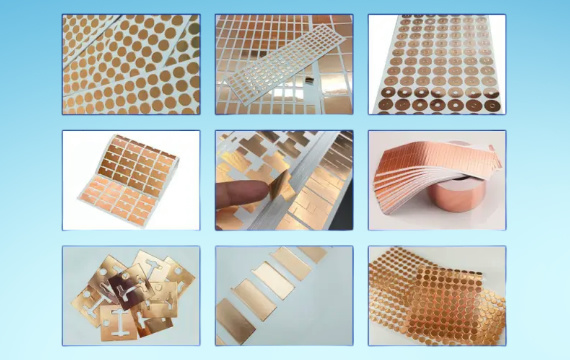
Flexibility: The tape can be die-cut into custom shapes, as offered by services like Die cutting RFI Shielding Tape, ensuring compatibility with specific designs.
Durability: Options with corrosion-resistant materials, such as tin-plated copper, withstand harsh conditions, including temperatures from -40°F to 212°F (-40°C to 100°C).
Environmental Compliance: Many tapes meet RoHS standards, ensuring they are free of harmful substances and recyclable.
The table below compares common RFI shielding tape materials:
Material | Conductivity | Cost | Corrosion Resistance | Typical Use |
|---|---|---|---|---|
Copper Foil | High | Moderate | Moderate (Tin-plated: High) | High-performance shielding |
Aluminum Foil | Moderate | Low | High | Lightweight applications |
Nickel-Plated Fabric | Moderate | High | High | Flexible, corrosion-resistant uses |
This comparison, based on data from Tapecon, helps engineers choose the right material for their needs.
Choosing the Right RFI Shielding Tape
Selecting the appropriate RFI shielding tape requires careful consideration of several factors:
Frequency Range: The tape must effectively block the specific RF frequencies encountered in the application (e.g., 100 MHz for WiFi).
Environmental Conditions: Tapes must withstand temperature, humidity, or chemical exposure. For example, polyimide-backed tapes are ideal for high-temperature environments up to 150°C.
Adhesive Type: Conductive adhesives are necessary for grounding applications, while non-conductive adhesives suit insulation needs.
Surface Compatibility: The tape must adhere well to metals, plastics, or other surfaces, as noted in Strouse’s shielding guide.
Partnering with a materials expert, ensures the tape is tailored to specific requirements through precise die-cutting processes.
Challenges and Limitations
While RFI shielding tape is highly effective, it has some limitations. For very high frequencies (above 10 GHz), its shielding effectiveness may be lower than that of metal enclosures. Adhesive degradation can occur in extreme environments, potentially reducing performance. Additionally, improper application, such as leaving gaps, can compromise shielding. Advances in materials, like conductive polymers and nanocomposites, are addressing these challenges, as discussed in Cadence’s PCB design blog.
Future Trends in RFI Shielding Tape
The demand for RFI shielding tape is growing due to the rise of 5G networks, IoT devices, and autonomous vehicles. Innovations include:
Advanced Materials: Nanocomposites and conductive polymers offer improved shielding and flexibility.
Sustainability: Eco-friendly tapes with recyclable materials are gaining traction, aligning with environmental standards.
Customization: Automated die-cutting processes enable precise, scalable production for complex designs.
According to IQS Directory, the market for RFI shielding tape is expected to expand as electronic devices become more prevalent.
Conclusion
RFI shielding tape is an essential tool for protecting electronic devices from radio frequency interference. Its ability to block unwanted signals, combined with its cost-effectiveness, flexibility, and ease of application, makes it indispensable in industries like telecommunications, automotive, aerospace, and medical devices. By choosing the right tape and leveraging custom solutions like Die cutting RFI Shielding Tape, manufacturers can ensure reliable device performance. For tailored RFI shielding solutions, contact Our expert team at karen@diecut123.com to explore high-quality die-cutting services that meet your specific needs.