

Imagine your smartphone buzzing through a dusty construction site or your car’s navigation system enduring a rainy commute.
At the heart of these devices lies a critical component: the printed circuit board (PCB), the unsung hero that powers our electronics.
But PCBs are delicate, and without proper protection, they’d be as vulnerable as a sandcastle in a storm.
That’s where the PCB gasket comes in—a small but mighty component that keeps your electronics safe and functional.
In this article, we’ll dive into the world of PCB gaskets, exploring what they are, their types, materials, applications, and why they’re essential in modern electronics.
Whether you’re an engineer, a tech enthusiast, or just curious, buckle up for a journey into the unsung protectors of your devices!
Why PCB Needs Protection
PCB is the brains of electronic devices, packed with tiny components like resistors, capacitors, and microchips.
These boards are marvels of engineering, but they’re not invincible. Dust, moisture, vibrations, and even temperature swings can wreak havoc, causing short circuits or component failure.
A PCB gasket acts like a loyal bodyguard, shielding the board from environmental threats and ensuring it performs reliably.
Think of it as the weatherproof jacket for your device’s most critical organ.
What is a PCB Gasket?
Defining the PCB Gasket
A PCB gasket is a specialized component designed to support, protect, or seal a printed circuit board within an electronic device.
Unlike the gaskets in your kitchen appliances, these are engineered for precision, often combining materials like silicone, rubber, or conductive foams to meet the unique demands of electronics.
Their primary job?
To keep the PCB safe from environmental hazards, provide mechanical stability, and sometimes ensure electrical connectivity.

Core Functions of a PCB Gasket
A PCB gasket wears many hats. Here are its key roles:
Environmental Protection: It shields the PCB from dust, moisture, and chemicals, much like an umbrella in a downpour.
Mechanical Support: It cushions the board against vibrations and shocks, preventing cracks or loose connections.
Electrical Connectivity: In some cases, conductive PCB gaskets facilitate grounding or signal transmission, ensuring the board plays nice with the rest of the device.
Picture a PCB gasket as the Swiss Army knife of electronics—versatile, reliable, and ready for action.
Types of PCB Gaskets
A World of Options
The world of PCB gaskets is surprisingly diverse, with each type tailored to specific needs.
From consumer gadgets to aerospace systems, different gaskets offer unique benefits.
Let’s explore three of the most common types, each a rockstar in its own right: the SMT Conductive Silicone Foam Gasket, the Conductive Foil PCB Shielding Gasket, and the Rubber PCB Gasket.

SMT Conductive Silicone Foam Gasket
The SMT Conductive Silicone Foam Gasket is a favorite in modern electronics, especially in devices like smartphones and tablets.
Made from a flexible silicone foam core coated with a conductive layer (often tin or nickel), this gasket is designed to work seamlessly with SMT.
Its flexibility allows it to conform to irregular surfaces, while its conductive coating ensures electrical connectivity.
Plus, it can withstand the high temperatures of SMT soldering processes, making it a go-to for automated assembly lines.
Think of it as the gymnast of PCB gaskets—flexible, precise, and ready to stick the landing.

Conductive Foil PCB Shielding Gasket
Next up is the Conductive Foil PCB Shielding Gasket, the tough guy of the group.
Built with a metal foil layer (typically aluminum or copper) over a foam or silicone core, this gasket is all about durability and performance.
It’s often used in high-frequency applications, like telecommunications or aerospace, where electrical conductivity and resilience are critical.
With a compression rate of up to 40% and a 92% rebound rate, it’s like a spring that keeps on giving, maintaining its shape and function even under stress.

Rubber PCB Gasket
Finally, the Rubber PCB Gasket is the reliable workhorse.
Made from materials like silicone rubber or neoprene, it’s cost-effective and versatile, offering excellent sealing and cushioning.
Its low surface resistance (often below 0.1Ω/□) makes it suitable for applications requiring some conductivity, while its durability shines in harsh environments like automotive systems or industrial controls.
Imagine it as the trusty pickup truck of PCB gaskets—not flashy, but it gets the job done.
PCB Gasket Materials
Exploring PCB Gasket Materials
The magic of a PCB gasket lies in its materials.
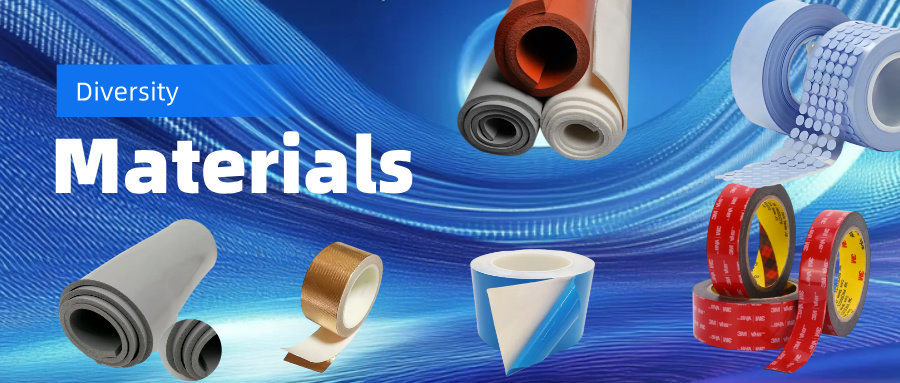
PCB gasket materials like silicone, rubber, and conductive foams or foils determine how well the gasket performs in specific conditions.
Each material brings unique properties to the table, making the choice of material as crucial as picking the right tool for a job.
Silicone: The Flexible Champion
Silicone is a star player in PCB gasket materials.
Its flexibility allows it to conform to uneven surfaces, creating a tight seal.
It’s also heat-resistant, withstanding temperatures from -40°C to over 200°C, which makes it ideal for high-temperature environments like SMT assembly.
Whether it’s in an SMT Conductive Silicone Foam Gasket or a standalone seal, silicone is like the yoga instructor of materials—adaptable and resilient.
Rubber: The Durable All-Rounder
Rubber, including synthetic options like neoprene, is another popular choice for PCB gasket materials.
It’s tough, cost-effective, and excels at sealing against moisture and dust. In a Rubber PCB Gasket, it provides excellent cushioning, absorbing shocks and vibrations.
Its ability to handle extreme conditions (like salt spray or UV exposure) makes it a favorite in automotive and industrial applications.
Think of rubber as the sturdy hiking boot—built to endure tough terrain.
Conductive Foams and Foils: The High-Tech Heroes
For applications requiring electrical conductivity, PCB gasket materials like conductive foams and foils steal the show.
These materials, used in Conductive Foil PCB Shielding Gaskets, combine a soft core (like polyurethane foam) with a conductive outer layer (like copper or aluminum).
They ensure reliable grounding or signal transmission while offering cushioning.
It’s like having a superhero who’s both strong and soft-spoken.
Why Material Choice Matters
Choosing the right PCB gasket material is like picking the perfect outfit for the weather.
Silicone excels in flexibility and heat resistance, rubber offers durability and cost savings, and conductive foams or foils provide electrical performance.
The wrong choice could lead to leaks, poor performance, or even device failure, so engineers carefully match materials to the application’s needs.
📌 Custom Die-Cut PCB Gasket and Shielding Solutions
Once you understand what a PCB gasket is and how it functions, the next step in your product design or assembly process is usually how to manufacture or integrate that gasket effectively.
In many electronics and industrial applications, just knowing what the part is isn’t enough — you often need the part to be precisely cut, dimensionally accurate, and tailored to specific tolerances for performance-critical environments such as shielding, grounding, sealing, or vibration control.
We provide custom die-cut solutions and tailored component services for PCB-related gasketing and shielding needs, including:
Precision die-cut PCB gaskets with controlled tolerances
Multi-layer and bonded gasket assemblies combining foam, adhesive, and other materials
EMI/RFI shielding gaskets designed for enclosure and board-level protection
Prototyping and low-volume production to validate designs before full-scale orders
These engineered parts ensure your PCB assemblies meet performance, reliability, and manufacturability requirements.
🔗 Related Custom Die-Cut Solutions
Die Cut Custom Gaskets Services – complete gasket design and manufacturing solutions
Die-Cutting Conductive Foam – precision cutting of conductive foam for shielding components
PCB Shielding Gaskets – engineered shielding gaskets for PCB protection
Precision Die Cutting Services – a wide range of die cutting capabilities for various materials
Applications of PCB Gaskets
Where PCB Gaskets Shine
PCB gaskets are the unsung heroes behind countless devices.
From your morning smartwatch alarm to the control systems in a jet, these components ensure electronics stay safe and functional.
Let’s explore where they’re used and how they make a difference.

Consumer Electronics
In consumer electronics, the SMT Conductive Silicone Foam Gasket is a superstar.
Found in smartphones, tablets, and wearables, these gaskets protect delicate PCBs from dust and moisture while ensuring reliable electrical connections during automated assembly.
Ever dropped your phone and marveled at its survival? Thank a PCB gasket for cushioning the blow.
Industrial and Automotive Systems
In harsher environments, like factory floors or car engines, the Rubber PCB Gasket takes center stage.
Its durability and sealing capabilities protect PCBs in automotive sensors, industrial controllers, and heavy machinery.
Whether it’s shielding a car’s navigation system from road vibrations or keeping dust out of a factory robot’s control board, these gaskets are built to last.
High-Frequency and Aerospace Applications
For high-stakes applications like telecommunications, radar, or aerospace, the Conductive Foil PCB Shielding Gasket is the go-to choice.
Its conductive properties help maintain signal integrity in high-frequency systems, while its durability ensures performance in extreme conditions.
Next time you’re on a flight, consider the PCB gasket helping the plane’s electronics navigate the skies.

Choosing the Right PCB Gasket
Key Factors to Consider
Selecting the perfect PCB gasket is like choosing the right teammate for a project. Here are the key factors to weigh:
Operating Environment: Will the gasket face extreme heat, cold, or humidity? Silicone excels in high temperatures, while rubber handles harsh chemicals.
Application Requirements: Does the gasket need to be conductive, like in an SMT Conductive Silicone Foam Gasket? Or is sealing the priority, as with a Rubber PCB Gasket?
Compliance Standards: Many industries require gaskets to meet standards like IP ratings for water resistance or UL certifications for safety.
Customization Needs: For unique PCB designs, custom gaskets tailored to specific shapes or sizes might be necessary.
Practical Tips
Engineers should test gaskets under real-world conditions to ensure performance.
For example, a Conductive Foil PCB Shielding Gasket might be perfect for a telecom device but overkill for a simple consumer gadget.
Always consult with manufacturers to explore PCB gasket materials and customization options.

Installation and Maintenance
Installing a PCB Gasket
Installing a PCB gasket requires precision to ensure a secure fit.
For an SMT Conductive Silicone Foam Gasket, the process often involves soldering the gasket onto the PCB during SMT assembly.
For a Rubber PCB Gasket, adhesive backing or mechanical fasteners might be used.
Alignment is key—think of it like fitting a puzzle piece perfectly into place.
Maintenance Tips
To keep a PCB gasket performing at its best, regular inspections are crucial.
Check for signs of wear, such as cracks or compression set, and replace gaskets as needed.
In high-vibration environments, like automotive systems, more frequent checks ensure the gasket continues to protect the PCB.
Ready to dive deeper into the world of PCB gaskets?
Explore PCB gasket materials and specific types like the SMT Conductive Silicone Foam Gasket or Rubber PCB Gasket for your next project.
Contact a manufacturer to discuss custom solutions or reach out with questions—your electronics deserve the best protection!