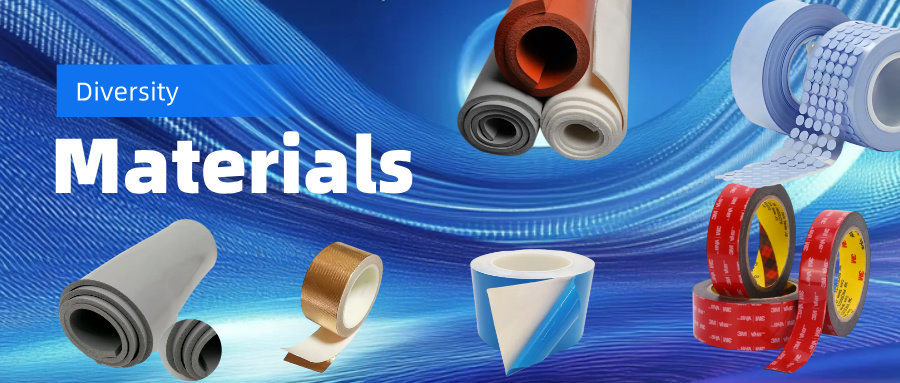

You should know that acrylic foam tape is very important in 2025. The world market is now about $2.6 billion. It is growing fast in cars, buildings, and electronics. This tape often takes the place of screws or rivets in car emblems and moldings. It also sticks glass panels to buildings.
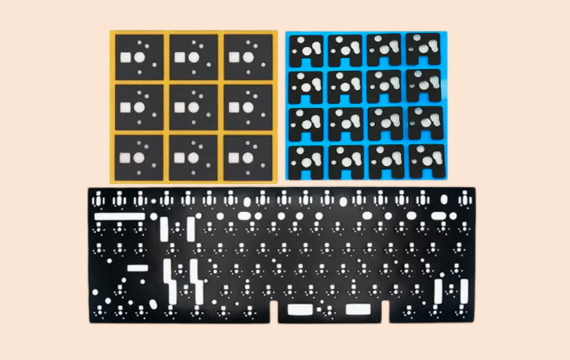
Many companies use die-cutting VHB foam tapes to create precise shapes with custom acrylic foam tape solutions. Die-cutting these tapes ensures tailored, high-performance custom acrylic foam tape solutions for diverse applications.
New eco-friendly choices and high-tech features make it a good pick for factories and homes.
Key Takeaways
- Acrylic foam tape makes strong bonds that last a long time. It works well in bad weather and on many things like metal, glass, and plastic. The tape can bend and shape to fit bumpy or curved places. It fills spaces and spreads out pressure to stop cracks or peeling. It does not let water, heat, cold, sunlight, or chemicals hurt it. This makes it good for use inside or outside for many years. Using acrylic foam tape is fast and clean. You do not need tools, drills, or to wait for it to dry. This saves time and keeps your work area tidy. When you use screws, glue, or other tapes, you might get holes, rust, or a mess. Acrylic foam tape does not do this and often holds things better and looks neater. People use this tape a lot in cars, buildings, electronics, and signs. It helps put up parts, panels, and displays with a smooth look. For the best results, clean the surfaces first. Press the tape down hard and let it get stronger over time, usually 72 hours. New eco-friendly tapes are coming out. They use bio-based glue and foam you can recycle. These help the planet and still work well.
Acrylic Foam Tape Overview
Structure
Acrylic foam tape is made with layers. The middle layer is acrylic foam. This part makes the tape strong and bendy. Both sides have sticky adhesive layers. These help the tape stick to many things. Some tapes have a liner you peel off before using. The foam core comes in different thicknesses. You can pick the right one for your job.
Tip: The foam fills gaps and sticks well to rough spots.
Properties
Acrylic foam tape has many good features. It can stretch and go back to its shape. This helps it handle movement and stress. The tape does not get ruined by water, heat, or cold. So, you can use it inside or outside.
- Scientists tested 3M™ VHB™ Structural Glazing Tape G23F. They pulled and pushed the tape at different temperatures. The tape stayed strong and kept sticking over time.
- Another test showed the tape’s strength changes with heat and time. But it still works well for most jobs.
- They also tested the tape against silicone sealants. The tape lasted longer and failed less often. This means you can trust it to hold things together.
You can see how new tapes like ThermoTape work better in the table below:
| Metric | ThermoTape Improvement Compared to Historical Tapes (Tegaderm, KRT) | Statistical Significance |
|---|---|---|
| Pain reduction during removal | 58% decrease with warming | p < 0.01 |
| Skin redness reduction | 45% decrease with warming | p < 0.01 |
| Peel strength reduction (35°C to 45°C) | 67% to 72% reduction showing it sticks less when warm | N/A |
| Average pain score difference (ThermoTape with heat vs Tegaderm no heat) | 1.05 lower pain score for ThermoTape | p < 0.01 |
| Consistency in fabrication | Pain scores are close to Tegaderm, and the tape looks the same | N/A |
These results show new acrylic foam tape sticks well, hurts less to remove, and lasts longer than old tapes.
Tests also show acrylic foam tape has a Young’s modulus of 0.45 MPa and a Poisson’s ratio of 0.499. The tape can take heat up to 120 °C for a long time and up to 220 °C for a short time. It sticks well to steel, ABS, and PP. The tape sticks even better after it gets older. It also works in cold down to -40 °C.
How It Works
Acrylic foam tape sticks things together when you press it. The sticky part flows into tiny cracks and holes. This makes the tape hold tight. The foam core spreads out the force. This keeps the tape from breaking. The tape also soaks up shocks and shakes. This helps protect what you stick together.
You can trust the tape because it passed many tests:
- Peel and double cantilever beam tests show it handles pulling and bending.
- Fatigue tests show it can take lots of stress again and again.
- Pressure immersion tests show it keeps water out, even deep underwater.
- Computer models show how the tape acts in crashes or impacts.
Acrylic foam tape gives you a strong, bendy, and lasting way to stick things. You can use it for many jobs, like cars or electronics.
Benefits
Strength
You can count on acrylic foam tape for strong and lasting bonds. This tape holds heavy loads and keeps things in place, even when you use it on cars or buildings. The tape stretches and returns to its shape, so it does not break when things move or shake. You get high tensile strength, which means the tape can pull and hold without coming apart. It also sticks well to many surfaces, like metal, glass, and plastic.
Tests show that acrylic foam tape stands up to wind, snow, and sunlight. It does not lose its grip when the weather changes. The tape also resists water and chemicals, so you can use it outside or in tough places. When you need something to stay put, this tape gives you peace of mind.
Conformability
You will find that acrylic foam tape fits many shapes and surfaces. The foam core bends and molds to rough or uneven spots. This helps the tape fill gaps and stick better. You can use it on curved parts, corners, or textured surfaces. The tape spreads out pressure, so it holds tight without cracking or peeling.
If you work with tricky shapes, this tape makes your job easier. You do not need to worry about bumps or dips. The tape hugs the surface and keeps everything together.
Tip: For best results, press the tape firmly so it sticks deep into the surface.
Environmental Resistance
Acrylic foam tape stands up to harsh weather and tough conditions. You can use it in hot or cold places, and it will not lose its strength. The tape resists rain, snow, and sunlight. It does not break down when exposed to UV rays or water. You can trust it to last for years, even outdoors.
This tape also fights off chemicals and solvents. It does not get soft or sticky when things spill on it. The tape keeps its grip, so you do not have to worry about things falling apart. Many people use it in places where other tapes fail.
🌦️ Note: Acrylic foam tape works well in temperatures from -40 °C to 120 °C and can handle short bursts up to 220 °C.
Application Convenience

You will find acrylic foam tape very easy to use. You do not need special tools or training. You can cut the tape with scissors or a utility knife. You just peel off the liner and press the tape onto the surface. This simple process saves you time and effort.
Many people like acrylic foam tape because it keeps workspaces clean. You do not have to deal with messy glue or wait for anything to dry. The tape does not drip or spill. You can finish your project faster and move on to the next task.
Tip: Clean the surface before you apply the tape. This helps the tape stick better and last longer.
Acrylic foam tape works well for both small and large jobs. You can use it to mount signs, attach trim, or fix panels. The tape comes in rolls, sheets, or custom die-cut shapes. You can pick the size and shape that fits your needs.

Here are some ways acrylic foam tape makes your work easier:
- Quick Application: You can bond materials in seconds. No clamps or drying time needed.
- No Holes: You do not have to drill or screw into surfaces. This keeps your materials looking good.
- Less Waste: You use only what you need. There is little leftover tape or mess to clean up.
- Easy Storage: The tape does not take up much space. You can keep it in a drawer or toolbox.
| Feature | Acrylic Foam Tape | Liquid Adhesive | Screws/Rivets |
|---|---|---|---|
| Easy to Use | ✅ | ❌ | ❌ |
| Clean Application | ✅ | ❌ | ❌ |
| Fast Bonding | ✅ | ❌ | ❌ |
| No Tools Needed | ✅ | ❌ | ❌ |
You can see that acrylic foam tape gives you a fast, clean, and simple way to bond materials. You save time and avoid mistakes. This makes your projects easier and more enjoyable.
Acrylic Foam Tape vs Alternatives
VHB Tape
You might wonder how acrylic foam tape and VHB tape are different. VHB tape is a kind of acrylic foam tape. It is known for being very strong. People use it for hard jobs in cars and buildings. Both tapes use the same kind of technology. But VHB tape is often picked for really tough work.
- VHB tape stays strong in water, heat, and sunlight. Even after 21 days in water, it keeps most of its strength.
- You do not have to wait for VHB tape to set. You can use it right away, which saves time.
- VHB tape works well where things move a lot, like windows or panels that change shape.
Both tapes give you a strong hold that lasts. VHB tape costs more, but it is stronger for the hardest jobs.
Traditional Adhesives
People have used traditional adhesives like glue and epoxy for a long time. You might use them for crafts or fixing things. But they do not always work as well as acrylic foam tape.
- Traditional adhesives need time to dry or set. This can slow down your work.
- Many glues do not work well with water, heat, or chemicals like acrylic foam tape does.
- Glues can be messy and may not fill gaps or stick to rough spots.
| Aspect | Acrylic Foam Tape | Double-Sided Foam Tape |
|---|---|---|
| Bond Strength | Strong hold that lasts a long time; works in hot or cold places; good for big jobs like cars or buildings | Good for short jobs; works for light things; may not last if it gets hot or wet |
| Longevity (Durability) | Stays strong in rain, sun, and with chemicals; good for inside or outside, even in bad weather | Works best inside; glue gets weak with water, sun, or chemicals; not good for outside or hard jobs |
| Flexibility | Bends and fits to bumpy or curved places | Soft and bends a little, but not as much as acrylic foam tape |
| Aesthetics | Looks neat because you do not need screws; fits well to odd shapes | Used for light jobs; not made to look perfect |
| Cost | Costs more because it works better and lasts longer | Cheaper and used for easy, light jobs |
You will see that acrylic foam tape looks neater and holds better than most glues.
Mechanical Fasteners
Mechanical fasteners are things like screws, bolts, and rivets. You use them to join wood, metal, or plastic. They are strong, but they have some problems.
- Fasteners make holes in your stuff. This can make it weaker and let in water or dirt.
- They do not keep out water or dust, so rust can happen.
- Fasteners do not stop shakes or noise. Acrylic foam tape can do this, which is good for cars and electronics.
- Using screws or rivets takes more time and tools. Tape is faster and easier to use.
🛠️ Tip: If you want a smooth look with no holes, use tape instead of fasteners.
Acrylic foam tape gives you a strong hold that lasts. It keeps out water and dust, works in bad weather, and makes your project look nice. Many companies now use tape instead of fasteners to save time and protect their products.
Durability
Weather Resistance
You want your projects to last, even when the weather changes. Acrylic foam tape stands up to rain, snow, and sunlight. You can use it outside without worry. The tape keeps its grip when it gets wet or when the sun shines on it for a long time. Many builders trust this tape for outdoor jobs. For example, workers used it in the Glass Sphinx sculpture in the Netherlands. This sculpture sits outside and faces wind, rain, and sun every day. The tape held glass panels together and handled changes in weather. You can see that this tape works well in real-world outdoor projects.
🌦️ Tip: If you need a bond that lasts through storms and sunshine, choose acrylic foam tape.
Temperature Performance
You may need tape that works in both hot and cold places. Acrylic foam tape keeps its strength in a wide range of temperatures. It stays sticky in freezing cold, down to -40 °C. It also works in heat, up to 120 °C for long times and even higher for short bursts. This means you can use it in cold storage rooms or on sunny rooftops. The tape does not get brittle in the cold or soft in the heat. You can trust it to hold parts together, no matter the season.
| Temperature Range | Performance |
|---|---|
| -40 °C | Stays flexible |
| 120 °C | Holds strong |
| 220 °C (short) | No failure |
Longevity
You want your work to last for years. Acrylic foam tape gives you a bond that stands the test of time. The tape does not break down when exposed to water, sunlight, or chemicals. It keeps holding, even after many years outside. You do not have to worry about rust or rot, like with screws or nails. The tape also absorbs shocks and movement, so it does not crack or peel. Many companies use this tape for cars, buildings, and signs because it lasts so long.
🕒 Note: When you use acrylic foam tape, you choose a solution that keeps working year after year.
Applications

Automotive
You see acrylic foam tape in many car jobs. Car makers use it to stick trim and emblems. They also use it for side moldings. You do not need screws or rivets. The tape holds parts tight and looks smooth. It helps make cars lighter, so they use less gas. Electric cars use this tape for battery packs and panels. The tape helps keep rides quiet and comfy by stopping noise and shaking.
- Die-cut tape pieces fit shapes and make work faster.
- The tape stands up to heat, cold, and wet places. It works inside and outside the car.
- No holes from fasteners means no rust or leaks.
🚗 Tip: Use acrylic foam tape for neat, strong bonds on metal and plastic car parts.
Construction
You find acrylic foam tape in many building jobs. Builders use it for windows, panels, and signs. The tape sticks to glass, metal, and painted things. You do not need to drill or use messy glue. This saves time and keeps things neat. The tape stands up to rain, wind, and sun. It works inside and outside buildings.
- Use it for design parts, cladding, and glazing.
- The tape’s weather strength helps projects last longer.
- Die-cut tape fits special shapes and sizes.
🏗️ Note: Acrylic foam tape helps you follow new building rules for saving energy and making things last.
Electronics
You see acrylic foam tape in making electronics. It sticks parts inside phones, tablets, and TVs. The tape holds screens and batteries in place. It also attaches circuit boards. The bond is strong and can take drops and shakes. The tape bends, so it fits curved or bumpy spots in small gadgets.
- You can put up screens and cases with no screws.
- The tape stands up to heat and chemicals. This keeps parts safe.
- You can use it by hand or with machines.
💡 Tip: Pick acrylic foam tape for electronics when you want a clean, safe bond that will not hurt small parts.
Signage
You will see acrylic foam tape used in many types of signs. This tape helps you mount, hang, or build signs for stores, offices, schools, and public spaces. You can use it for both indoor and outdoor signs. The tape gives you a clean look because you do not need screws or nails. Your signs will look smooth and professional.
Acrylic foam tape works well with many sign materials. You can use it on metals, plastics, glass, and painted surfaces. The tape sticks to rough or smooth surfaces. It fills small gaps and holds tight, even if the surface is not perfect. You do not need to worry about the tape showing or making holes in your sign.
Tip: Clean the surface before you apply the tape. This helps the tape stick better and last longer.
You can use die-cut acrylic foam tape for custom shapes. If your sign has letters or logos with special shapes, you can order tape cut to fit. This makes your work faster and easier. You just peel and stick the tape to the back of each part.
Here are some ways you can use acrylic foam tape in signage:
- Mounting letters and logos on walls or windows
- Attaching sign panels to posts or frames
- Hanging signs from ceilings or beams
- Securing lighted signs or displays
- Fixing directional or safety signs in buildings
Acrylic foam tape stands up to weather, sun, and rain. You can use it for signs outside your building. The tape does not lose strength in heat or cold. Your signs will stay in place for years.
| Surface Type | Tape Performance | Notes |
|---|---|---|
| Metal | Excellent | Holds heavy signs |
| Glass | Excellent | No marks or holes |
| Plastic | Very Good | Works on smooth or textured |
| Painted Surface | Very Good | No paint damage |
You will save time when you use acrylic foam tape for signs. You do not need drills, screws, or messy glue. The tape gives you a fast, clean, and strong bond. Your signs will look better and last longer.
🪧 Note: Acrylic foam tape helps you make signs that look great and stay put, indoors or outdoors.
Selection & Use
Choosing Tape
You want the right acrylic foam tape for your project. Start by checking the surface you plan to bond. Acrylic foam tape works well with many materials, such as stainless steel, glass, polycarbonate, ABS, and painted metals. You can use it on car parts, electronics, or building panels. Look at the tape’s thickness. Common options include 0.4 mm, 0.6 mm, 0.8 mm, 1.2 mm, and 1.5 mm. Thicker tape fills bigger gaps and absorbs more vibration.
Check the tape’s certifications. Top brands meet standards like ISO9001 and ISO14001. These show the tape is safe and high quality. Some tapes also have IATF16949 and ICEQ QC080000 certifications. These matter for car and electronics work.
You should also match the tape series to your job. For example:
- CM6608: Good for car door seals and sunroof seals.
- CM6611: Works well for car emblems and windshield seals.
- CM6613: Best for tail lamps and ETC devices.
Tip: Always check the temperature range. Some tapes work from -50°C to 260°C. This means you can use them in very hot or cold places.
Here is a quick guide:
| Feature | Details/Values |
|---|---|
| Temperature Resistance | -50°C to 260°C |
| Waterproofing | IP68 rated |
| Adhesion Strength (Glass) | 21–44 N/cm |
| Thickness Options | 0.4–1.5 mm |
| Certifications | ISO9001, ISO14001, IATF16949, ICEQ QC080000 |
Application Tips
You get the best results when you follow a few simple steps. First, clean the surface. Use alcohol or a mild cleaner to remove dust, oil, or water. Dry the area before you apply the tape. Cut the tape to the size you need. You can use scissors or a utility knife. For special shapes, die-cut tape works well. Factories use kiss cutting to keep the liner on, or full cutting for single pieces.
Press the tape firmly onto the surface. Use steady pressure. This helps the adhesive flow into small cracks and stick better. For best strength, let the tape sit for 72 hours. The bond gets stronger over time.
🛠️ Note: Apply tape at room temperature for the best hold. Avoid touching the sticky side with your fingers.
If you work with machines, set the die-cutting pressure between 20–50 MPa and speed between 10–30 m/min. This gives you clean, accurate cuts.
Removal Tips
You may need to remove the tape later. Acrylic foam tape lets you do this without leaving a mess. Start by peeling the tape slowly from one edge. Pull at a low angle. This helps keep the surface safe. If the tape feels hard to remove, warm it with a hair dryer. Heat softens the adhesive and makes removal easier.
The tape leaves little or no residue. You protect the surface and keep it looking good. If you see any sticky spots, wipe them with alcohol. The tape’s clean removal helps you reuse or recycle parts.
✅ Tip: Acrylic foam tape is designed for easy removal. You keep your surfaces smooth and ready for the next job.
Future Trends
Innovations
Many new ideas will change acrylic foam tape soon. Companies want tapes that last longer and work better. You will see tapes with bio-based adhesives. These adhesives come from plants, not oil. They help lower pollution and support green goals.
Manufacturers now make recyclable foam materials. You can recycle these tapes after use. This helps reduce waste. Some brands sell PFAS-free products. PFAS are chemicals that can hurt the environment. Removing them makes tapes safer for people and nature.
More people want high-performance tapes. The car industry wants lighter cars to save gas and cut emissions. Acrylic foam tape replaces heavy screws and bolts. In building, more glass panels and cladding use tape. This makes buildings stronger and saves energy.
Electronics makers also want better tapes. Flexible devices need tapes that bend and hold tight. New tapes have better strength and thermal stability. You can trust these tapes in tough weather or hard jobs.
- The high density acrylic foam tape market will grow at a CAGR of 7.5% from 2024 to 2030, reaching USD 2.10 billion.
- Growth comes from cars, buildings, and electronics needing strong, light, and weather-resistant adhesives.
- New ideas include bio-based adhesives, recyclable foam, and PFAS-free products.
- Companies like 3M and Avery Dennison offer sustainable and automated bonding solutions.
💡 Tip: Look for new tapes with high strength and eco-friendly features. These tapes will change many industries.
Sustainability
You help the planet by picking green products. Acrylic foam tape makers now focus on sustainability. They use safer materials and cleaner ways to make tape. You will find tapes that meet strict rules from groups like the EPA and ECHA. These rules limit bad chemicals and push for greener products.
- The global foam tape market could reach over USD 28 billion by 2037, with North America expected to hit USD 9.4 billion.
- More online shopping means more need for eco-friendly packaging tapes.
- Lighter materials in cars and planes help save energy and lower emissions.
- Rules and what people want push companies to make greener adhesives.
You will see more tapes with bio-based or recyclable materials. These tapes still hold strong and last long. Companies work to keep adhesive strength while making tapes safer for the earth. You can help by choosing tapes with green features or certifications.
- Environmental rules from groups like EPA and ECHA push for safer materials.
- Laws like EU REACH and California Proposition 65 need new tape formulas.
- People want green products, so companies make bio-based and recyclable tapes.
- The challenge is to keep tapes strong and durable while making them green.
- The need for strong adhesives in cars and electronics keeps the market growing.
- Car makers use tape instead of screws to make lighter, better cars.
- Small electronics need tapes with better thermal stability and strength.
- Companies must keep making new ideas to balance rules, green goals, and cost.
🌱 Note: When you pick sustainable acrylic foam tape, you help the planet and support a cleaner future.
You can understand why acrylic foam tape is a good pick in 2025. It holds things together tightly and lasts a long time. The tape works on lots of different surfaces. It stands up to bad weather and is simple to use. Many businesses use it for cars, solar panels, and electronics.
- Very strong hold that does not let go
- Works well even in rain or snow
- Bends to fit bumpy or curved places
- Used in cars, buildings, and machines
If you want to know more about custom acrylic foam tape solutions, explore product guides or read industry reports from leading acrylic adhesive tape manufacturers like us for the latest insights. For tailored options, contact our professional engineers for expert assistance.
FAQ
What surfaces can you use acrylic foam tape on?
You can use acrylic foam tape on metal, glass, plastic, and painted surfaces. It works well on both smooth and rough areas. Always clean the surface first for the best results.
How strong is acrylic foam tape?
Acrylic foam tape holds heavy loads. It can replace screws or rivets in many jobs. You get a strong, lasting bond that stands up to stress, weather, and vibration.
Can you use acrylic foam tape outdoors?
Yes, you can use it outdoors. The tape resists rain, sunlight, and temperature changes. It keeps its grip in harsh weather and does not break down easily.
How do you remove acrylic foam tape?
Start peeling from one edge. Pull the tape slowly at a low angle. If needed, warm the tape with a hair dryer. This softens the adhesive and makes removal easier.
Is acrylic foam tape safe for electronics?
You can use acrylic foam tape in electronics. It holds screens, batteries, and circuit boards. The tape resists heat and chemicals, so it protects sensitive parts.
Does acrylic foam tape leave residue?
Most acrylic foam tapes leave little or no residue. If you see sticky spots, wipe them with alcohol. The tape helps keep your surfaces clean after removal.
What makes acrylic foam tape eco-friendly in 2025?
Many brands now use bio-based adhesives and recyclable foam. You help the planet by choosing tapes with green certifications or PFAS-free labels.
Can you cut acrylic foam tape into custom shapes?
Yes, you can cut the tape with scissors or order die-cut shapes. Die-cutting gives you pieces that fit your project exactly.